Permanent Exhibition
The History of Learning: Opening the Future
The Busan Education History Museum is a special place that
preserves the valuable educational history of our region. It vividly
captures the history of education in Busan from the inception of
modern education to the present. From traditional education in the
late Joseon period to today’s innovative education, Busan’s
educational journey across the ages is the story of growth for us all.
There were efforts to preserve Korean culture during the Japanese
occupation, the passion for learning that never faded even in tent
classrooms during wartime, the challenges of young people striving
for a better future, and the evolution of education in step with
changing times-all demonstrate that “learning” is not simply the
transfer of knowledge but a source of hope and a driving force for
change. Through the permanent exhibition at the Busan Education
History Museum, guests can reminisce about the past, understand
the present, and envision the future of education. We hope that each
visitor will discover their very own special meaning of learning here.


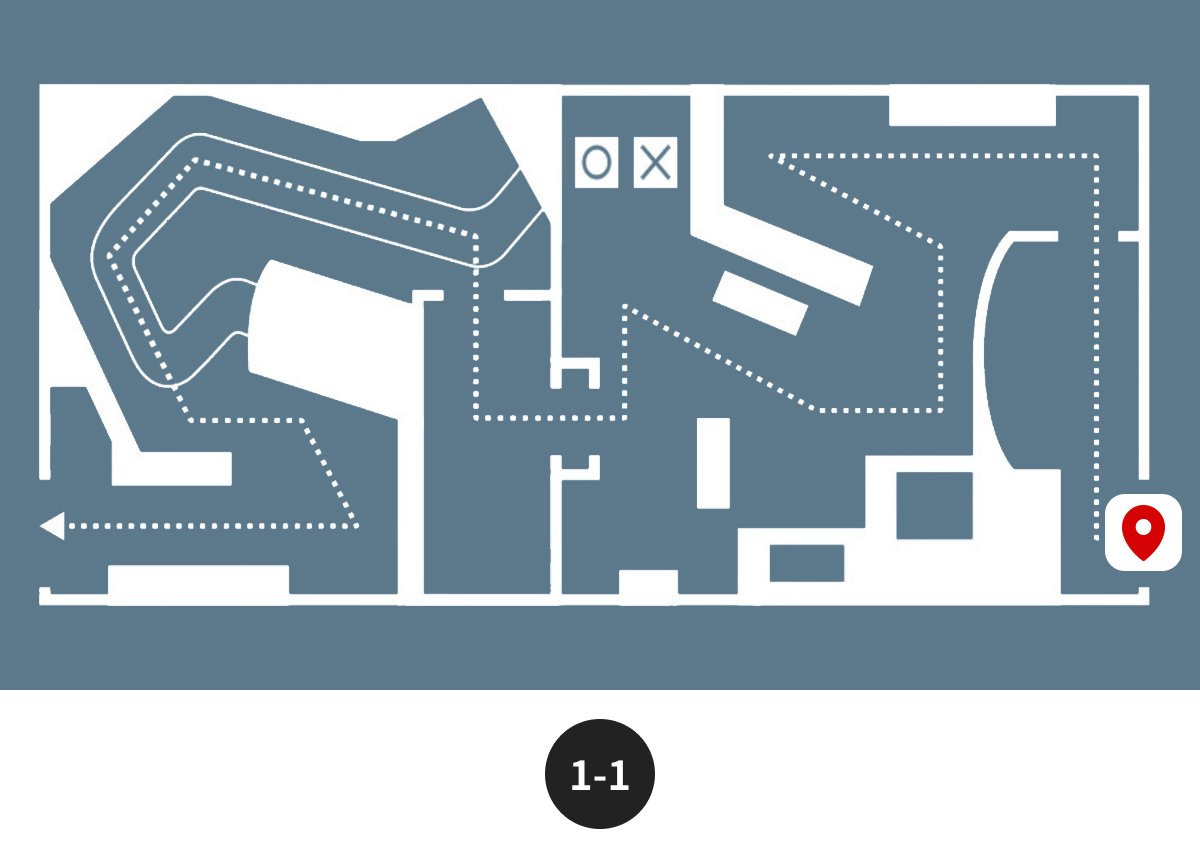
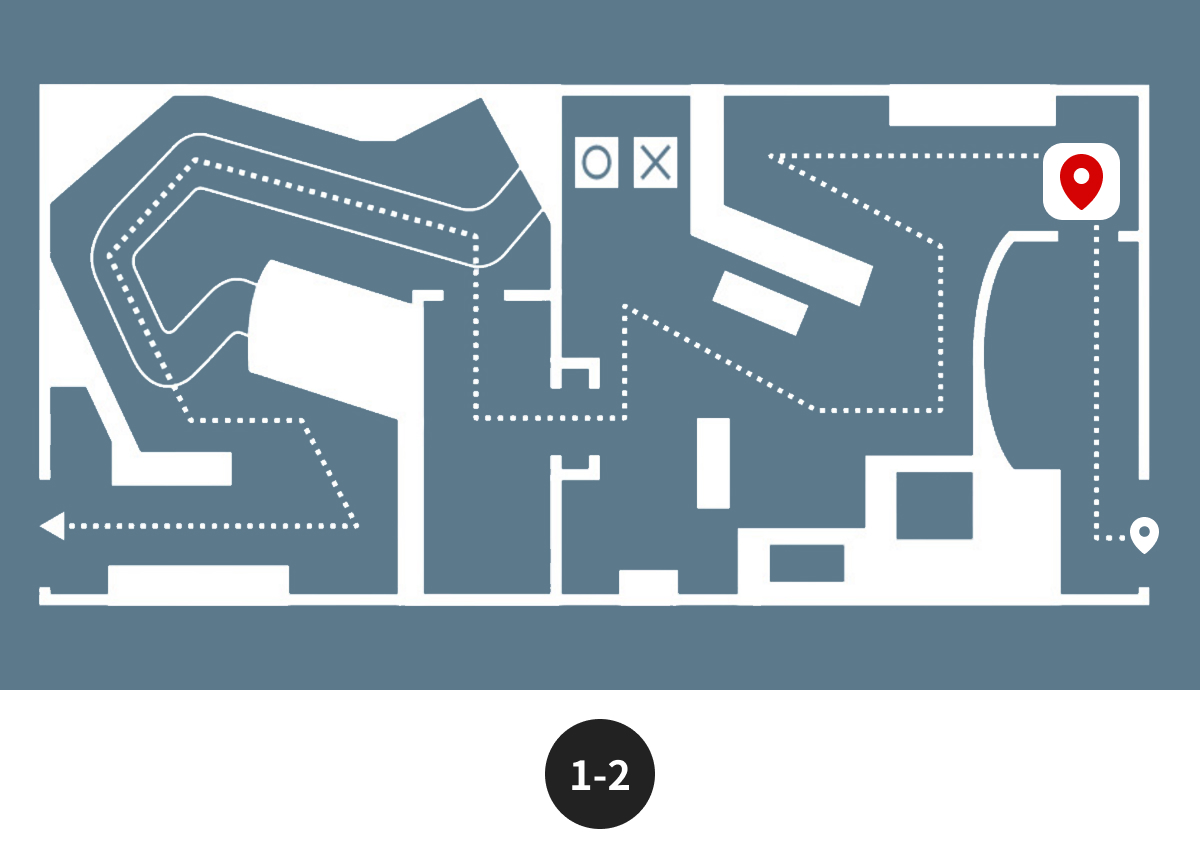
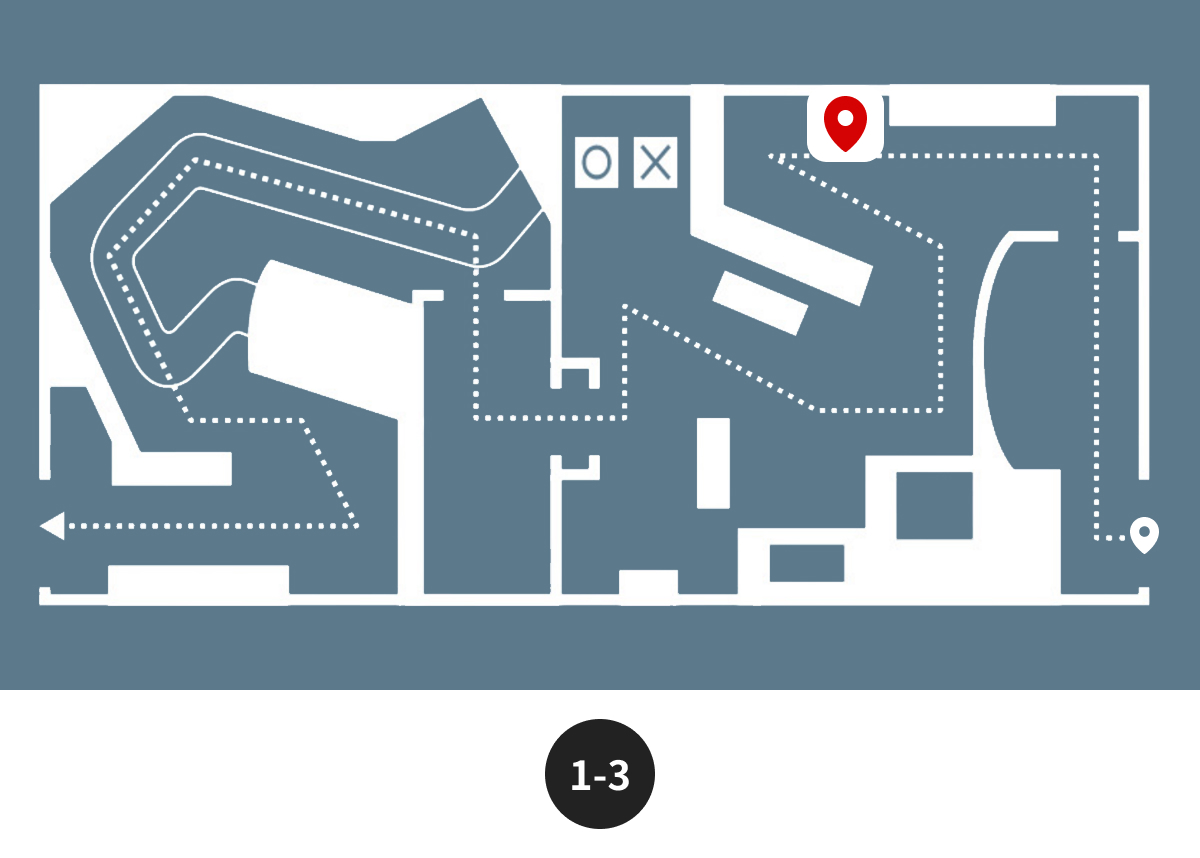
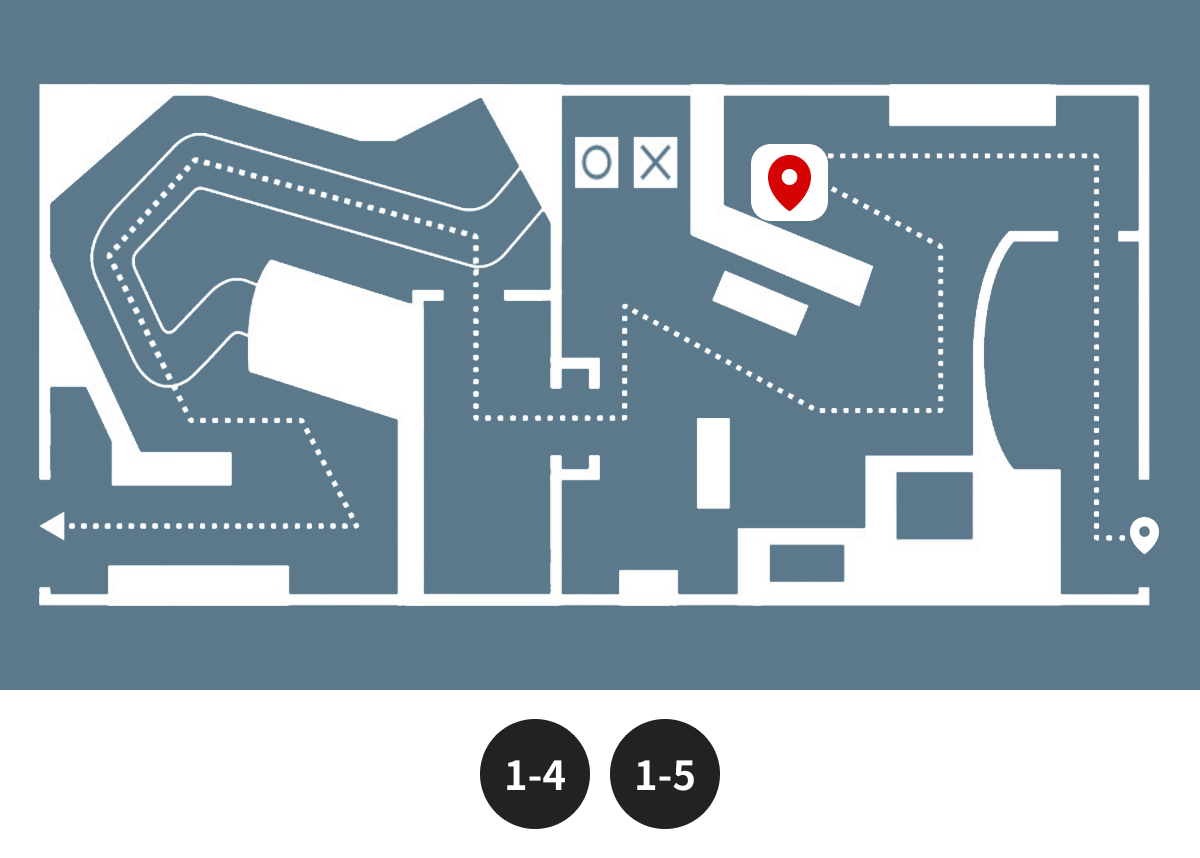
1-1 Education in the Joseon Dynasty
During the Joseon Dynasty, educational institutions were established
across each county and district to spread Confucian values, strengthen
local administration, and promote social stability.
In Busan, educational facilities such as local Confucian schools, private
academies, and village schools were also established, laying the
foundation for the city’s modern education.
With the opening of Busan Port in 1876, modernization began to
transform both society and education. Visionary pioneers in Busan
recognized the need for learning suited to a new era and devoted
their efforts to establishing modern schools. However, following
Japan’s annexation of Korea in 1910, the nation entered a difficult
period under colonial rule, when the free use of the Korean language
and script was strictly forbidden.
During the Japanese occupation, despite the loss of national
sovereignty, the people of Busan strove to preserve their cultural and
national identity through education. Students participated in
independence movements both within and beyond their schools, and
even when teaching and learning Korean language and history were
prohibited, their passion for study never waned.
Throughout these challenging times, learning became the hope of the
nation and a driving force that awakened pride. Education was more
than the transmission of knowledge-it was the force that preserved
national identity and kindled the flame of hope for the future.
1-2 Educational Structure of the Joseon Dynasty
During the Joseon Dynasty, educational institutions were established in both the capital, Hanyang, and throughout the provinces. Schools were classified as public or private depending on their founding authority. Public institutions included the Royal Academy, Seonggyungwan; the Four District Schools(Sabu Hakdang); and local Confucian schools(hyanggyo). Private institutions included Confucian schools, private academies(seowon), and village schools(seodang). Although educational opportunities were theoretically open to all social classes except the cheonmin, or outcasts, in practice, most students came from nobility(yangban) [sometimes also referred to as the aristocracy].
1-3 Seodang(서당, 書堂) - Village School
Seodangs were village study halls established throughout Joseon
communities, serving as neighborhood learning halls. Students learned
reading, writing, and composition through classical texts such as the
Thousand Character Classic (천자문, Cheonjamun, 千字文), Lessons for
the Young (동몽선습, Dongmongseonseup, 童蒙先習), Four-Character
Elementary Learning (사자소학, Sajasohak, 四字小學), Precious Mirror for
Fostering the Mind (명심보감, Myeongsimbogam, 明心寶鑑), and
Vegetable Roots Discourse (채근담, Chaegundam, 菜根譚).
In Busan, examples of seodang included Sisuljae, Samnakjae, and
Yukyeongjae. These schools were attended by children from both the
nobility(yangban)[sometimes also referred to as the aristocracy] and
the commoner families(pyeongmin). Instruction was individualized
according to each student’s level of learning, regardless of age.
Seonggyungwan(성균관, 成均館) - The Royal Academy
The Royal Academy(Seonggyungwan) was the highest educational institution in Joseon and functioned as the national academy. Its purpose was to train scholars and officials equipped with profound Confucian knowledge through both education and research. Students performed ancestral rites to Confucian sages and studied texts such as the Mencius (Maengja, 맹자, 孟子) and the Book of Songs (Sigyeong, 시경, 詩經). Those who passed the preliminary state examinations (sogwa, 소과, 小科) and earned the titles jinsa (진사, 進士) or saengwon (생원, 生員) were admitted to the Seonggyungwan.
Gwageo (과거, 科擧) - The State Examination System
The Gwageo was the state examination system for selecting government officials. It consisted of three stages: the preliminary exam (chosi, 초시, 初試), the secondary exam (boksi, 복시, 覆試), and the final palace exam (jeonsi, 전시, 殿試). From the chosi, 240 candidates were - 3 - selected, and the boksi reduced the number to 33. In the jeonsi, where the king personally posed the questions, the top candidates were ranked into three grades-gapgwa for first to third place, eulgwa for fourth to tenth, and byeonggwa for the remaining successful
Seonbi (선비, 士人) - The Daily Life of a Scholar
The daily routine of a scholar or seonbi, began each day at dawn by dressing neatly and greeting their parents with courtesy before devoting themselves to study. Through constant reading and reflection, they sought to cultivate moral integrity and contribute to a well-ordered society. Their children learned by observing these disciplined habits, developing literacy, culture, and proper conduct through study at the seodang, thus internalizing the moral duties of a virtuous person.
1-4 Cheonjamun (천자문, 千字文) - The Thousand Character Classic
Cheonjamun, or The Thousand Character Classic, was a primer used for beginners learning Classical Chinese. This edition, a woodblock print from the mid-Joseon period, was produced by calligrapher Han Seokbong(한석봉). The book is composed of 250 phrases, each containing four characters, allowing learners to study a total of 1,000 unique Chinese characters without repetition. The content covers a wide range of topics, including moral instruction, general knowledge , history, human relationships, ethics, education, and daily life.
1-5 Dongmongpilsup (동몽필습, 童蒙必習)
Dongmongpilsup, was a textbook used in seodangduring the Joseon Dynasty, created for children who had completed their study of the Thousand Character Classic. The book teaches moral and historical principles through the Five Human Relationships emphasized in Confucianism and through the Hongnon, a section recounting the histories of Korea and China. This lithograph edition dates from the post-liberation period.
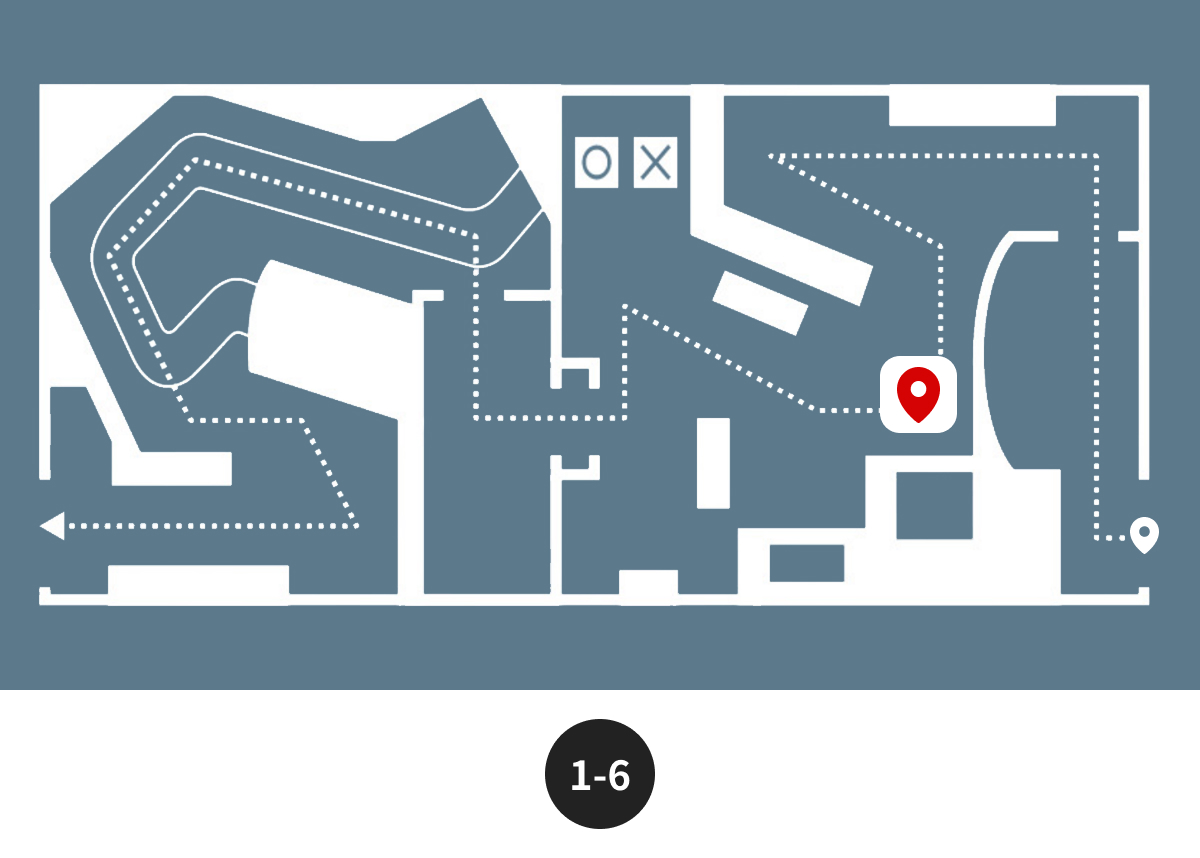
1-6 Encountering Modernity
A nation's prosperity rests upon the enlightenment of its people;
education is, indeed, the foundation for preserving the nation.
In 1895 King Gojong(고종, 高宗) proclaimed the Educational Reform
Edict(Gyoyuk Ip-guk Joseo), launching modern educational reforms to
cultivate talented individuals “healthy in body” (체, che, 體),
“righteous in character” (덕, deok, 德), and “wise in mind” (지, ji, 智)
King emphasized that the path to national strength and prosperity
lay in fostering self-reliance through education.
As interest and aspiration for education grew, modern schools also
began to be established in Busan.
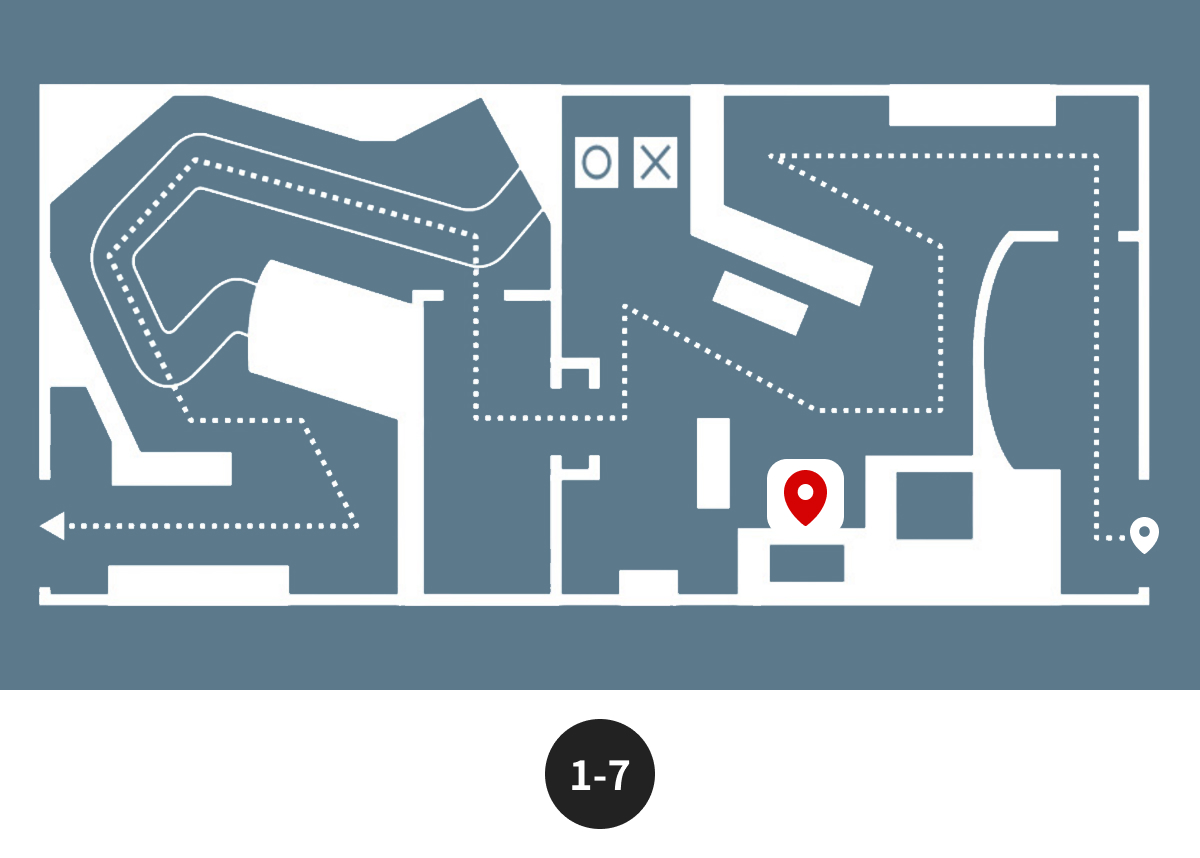
1-7 Establishment of Mordern Schools in Busan
The rise of modern schools in Busan was not the work of the state
but of forward-looking individuals, religious leaders, and local notables.
Convinced that modern education could forge the talent needed to
weather the nation’s crisis, these founders set up the city’s first modern
classrooms themselves.
To this end, they pooled their private wealth, penny by penny, to
build the schools. The result was a wave of modern private institutions:
Gaeseong School and Ilshin Girls’ School (1895), Dongnaebu School
(1898), Dadaepo Practical School (1902), Myeongjeong School (1906),
Gupo Gungmyeong School (1907), and a number of other private
modern schools emerged.
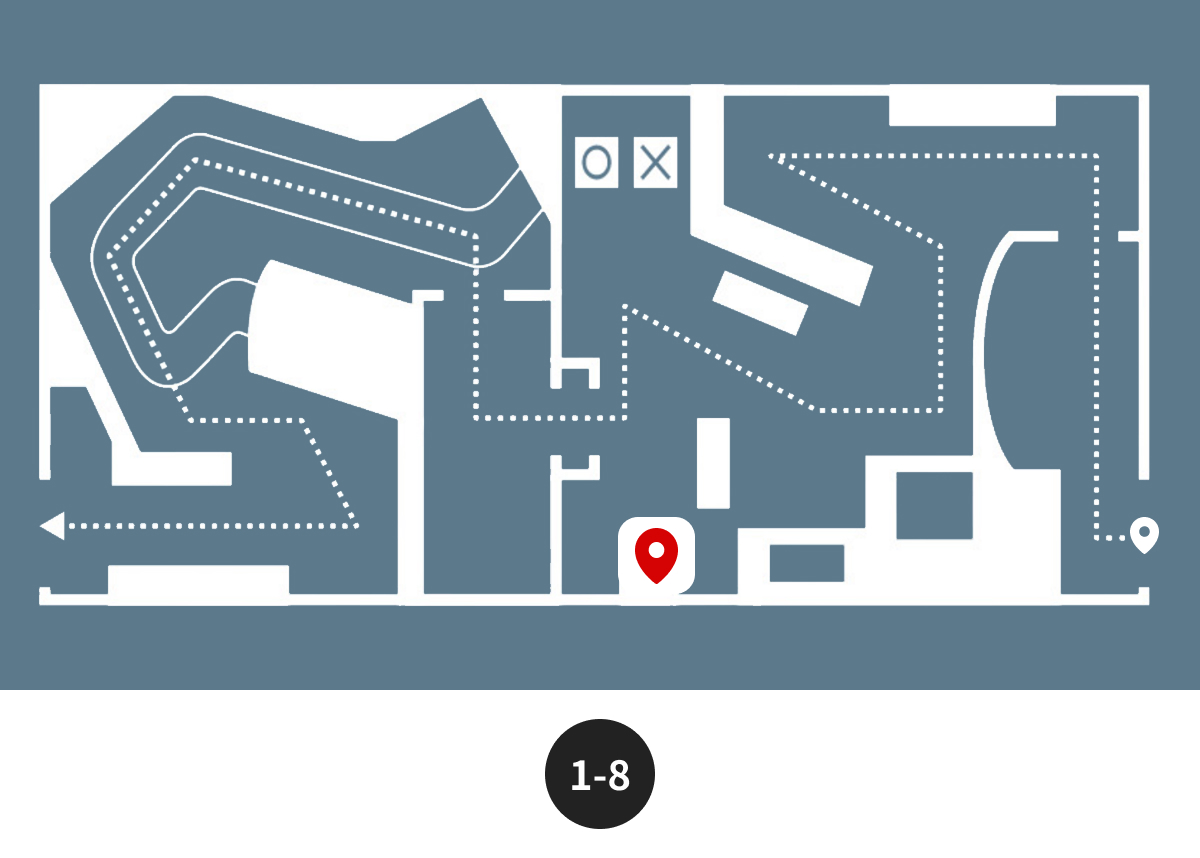
1-8 Students of Modern Universities
Dongraebu School enrolled an average of 40 students each year,
between 1898 and 1903. Most pupils were about 14, though some
were over 20.
Private Kaesung School averaged 60–70 students a year during its
first decade. Most were 16 or 17, but the oldest pupil was 30. A
substantial number of students were dropping out and founding
principal Aranami Heiichirō wrote that the country’s urgent demand
for “new-education” talent sent many teenagers straight into jobs or
overseas to pursue further studies, rather than waiting to graduate.
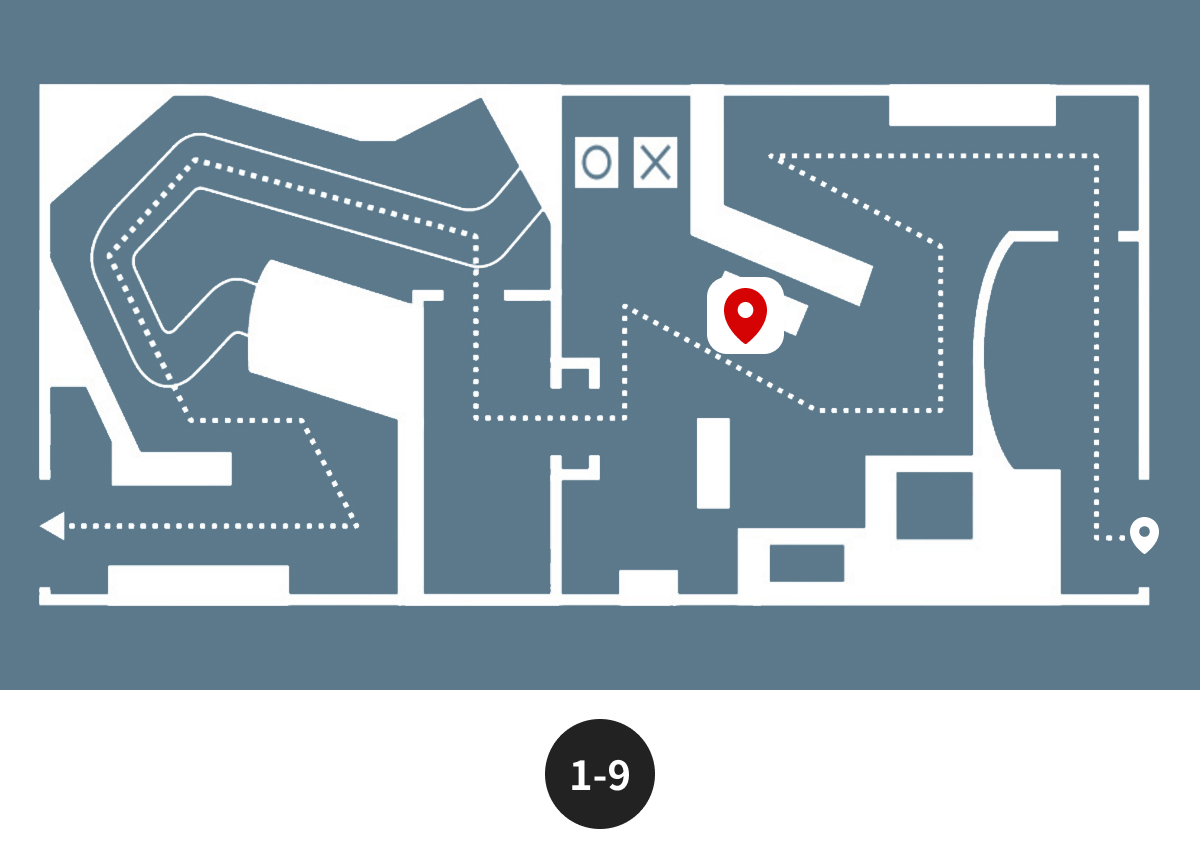
1-9 The Rise of Women’s Educational Institutions
After the Treaty of 1905, Korea’s patriotic enlightenment movement
gathered momentum as part of the struggle to restore national
sovereignty. One of its key ideas was that establishing education
centers for women would strengthen national competitiveness.
Foreign missionaries already in the country built schools that opened
classrooms to women; in Busanjin they founded Ilsin Girls’ School,
the peninsula’s first modern girl’s academy.
The Birth of Private Ilsin Girl’s School
Private Ilsin Girls’ School the first female school in Busan and the
opening venture of the Australian Presbyterian Mission began in
1892, when missionaries B. Menzies and Perry took three orphaned
girls into their Jwacheon-dong home. Intent on training future Korean
missionaries, they started lessons at once; more girls soon gathered. In
1895 the couple opened a day-school, christening it “Ilsin” - “daily
new” - a promise that its rough, tiny start would flourish with each
passing day.
“To elevate a nation, wives and mothers must be educated.”
- B. Menzies
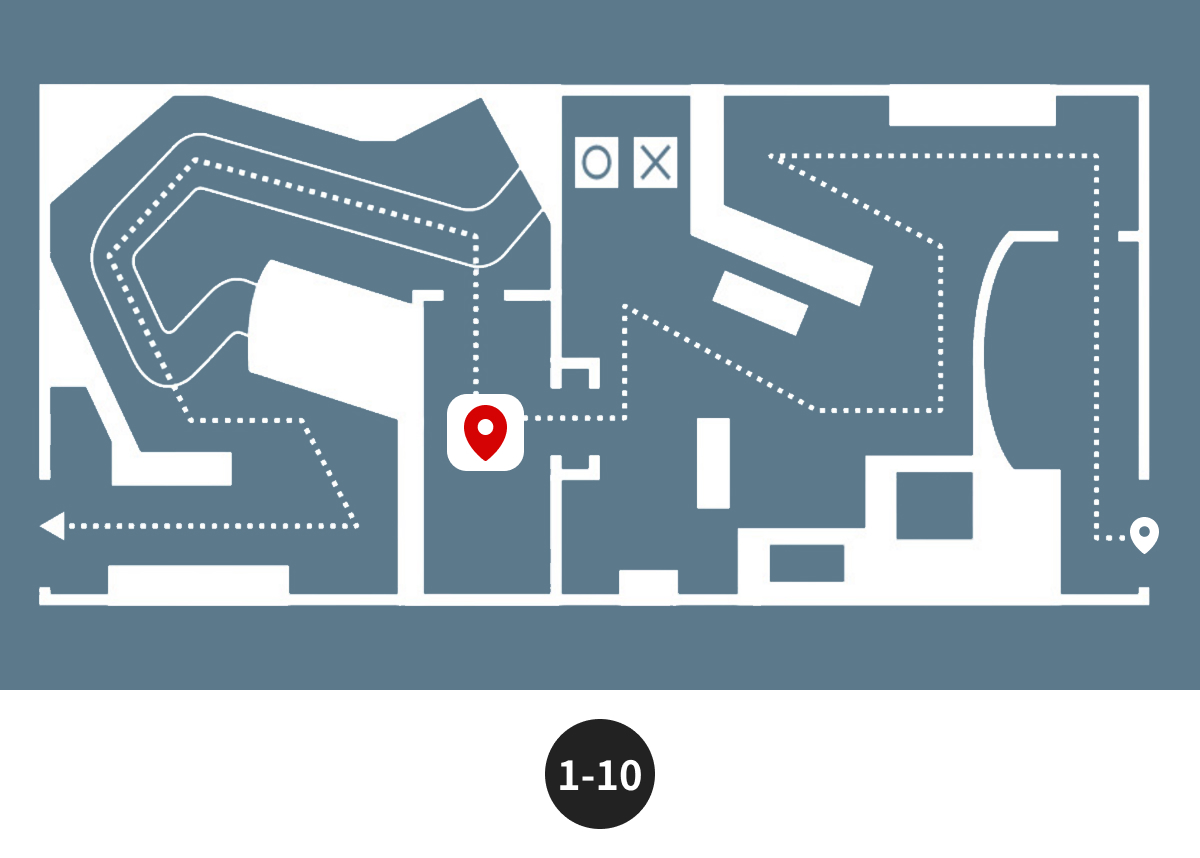
1-10 Resisting through Learning
Here's what this video is about:
After the Japan-Korea Annexation Treaty of 1910, Korea lost its
sovereignty, and the Government-General of Korea began in earnest
to establish a colonial education system. The Japanese authorities
revised the ‘Joseon Education Ordinance’ four times, reorganizing
education to suit the ruling policies of each period. Through this,
they revealed their intent to limit Koreans’ learning opportunities and
eradicate/diminish the national spirit.
Despite such oppression, students in Busan strengthened their resolve
for independence and carried out anti-Japanese movements both inside
and outside of school.
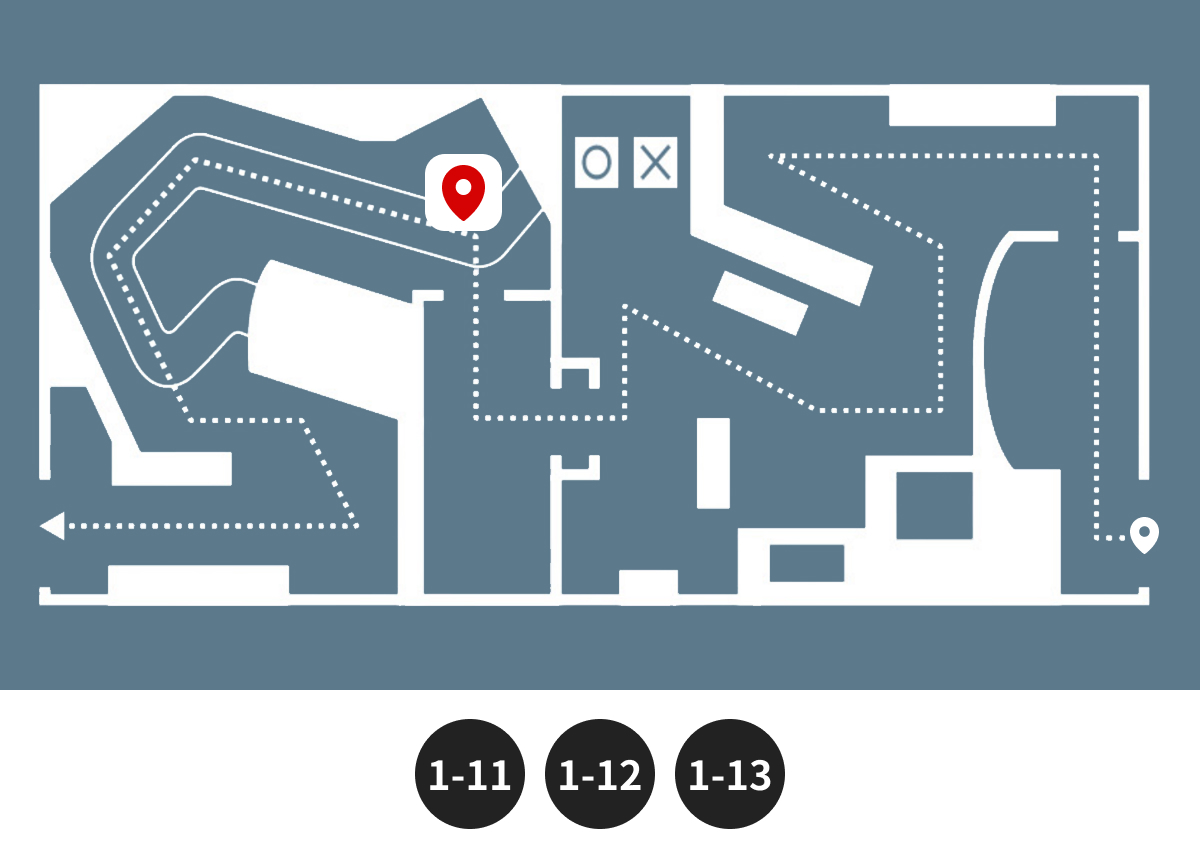
1-11 The Secret Union of Busan Students
On August 22, 1910, the Japan-Korea Annexation Treaty was signed.
It was the day when Japan invaded Korea and illegally stripped the
nation of its sovereignty.
In response, students in Busan formed a secret society called
Gusedan(구세단) and led the anti-Japanese national movement.
“I devoted myself to quietly recruiting comrades and met every day
with friends such as Park Jae-hyeok, Kim In-tae, Kim Byeong-tae,
Kim Yeong-ju, Jang Ji-hyeong, and Oh Taek to plan how to spread
the independence movement.”
From the memoirs of Choi Chun-taek (최천택), a member of Gusedan
1-12 가출옥증표 Parole Certificate(1919) Dongnae Educational Foundation
Kim Eung-su (1901–1979, independence activist), a student at Ilsin
Girls’ School, was arrested by the police for taking part in the manse
demonstration on March 11, 1919, in Jwacheon-dong, Busan, while
holding a Taegeukgi. Due to the severe torture she suffered in prison,
her health deteriorated, and she was granted parole from Busan Prison
in August of the same year.
At that time, the police often hurried to release prisoners on parole
when they became critically ill from torture in order to avoid having
them die inside the prison. The crime recorded on her parole certificate
is ‘Violation of the Public Order Act,’ and the sentence length (five
years in prison) is also written there.
1-13 가출옥자여권 Parole Pass(1919) Dongnae Educational Foundation
This is the parole pass of Kim Eung-su (김응수) (1901–1979,
independence activist), a student at Ilsin Girls’ School. Kim was
supposed to be imprisoned until September 27 for her participation in
the manse movement, but she was released on parole on August 17
after her health deteriorated, due to severe torture.
At the time, even when prisoners were paroled while still having time
left on their sentence, they were required to obtain permission from
the Japanese authorities to be issued a parole passport, in order to
travel. This passport states that she would depart on September 15
and arrive in Busanjin on the 16th.
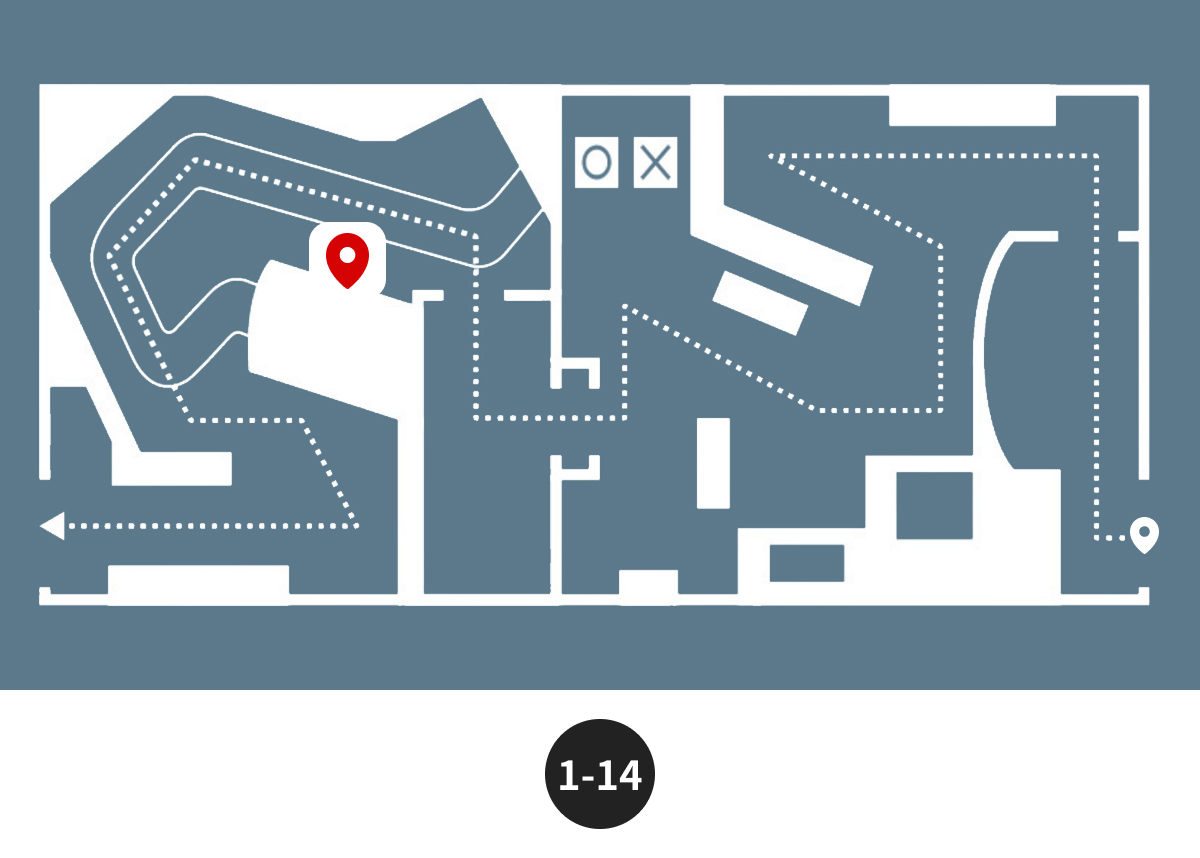
1-14 Changes in Education Before and After the Manse Movement
The Government General of Korea, established by Japan, issued the
In reality, this was an empty policy. It intensified censorship of the
Korean press and weakened the teaching of Korean history and
geography, while strengthening Japanese language education.
Meanwhile, in Busan, as the desire to regain national sovereignty
through education spread, the number of applicants who wished to
enter ordinary primary schools and advance to higher schools increased
significantly, but the number of schools was far from sufficient.
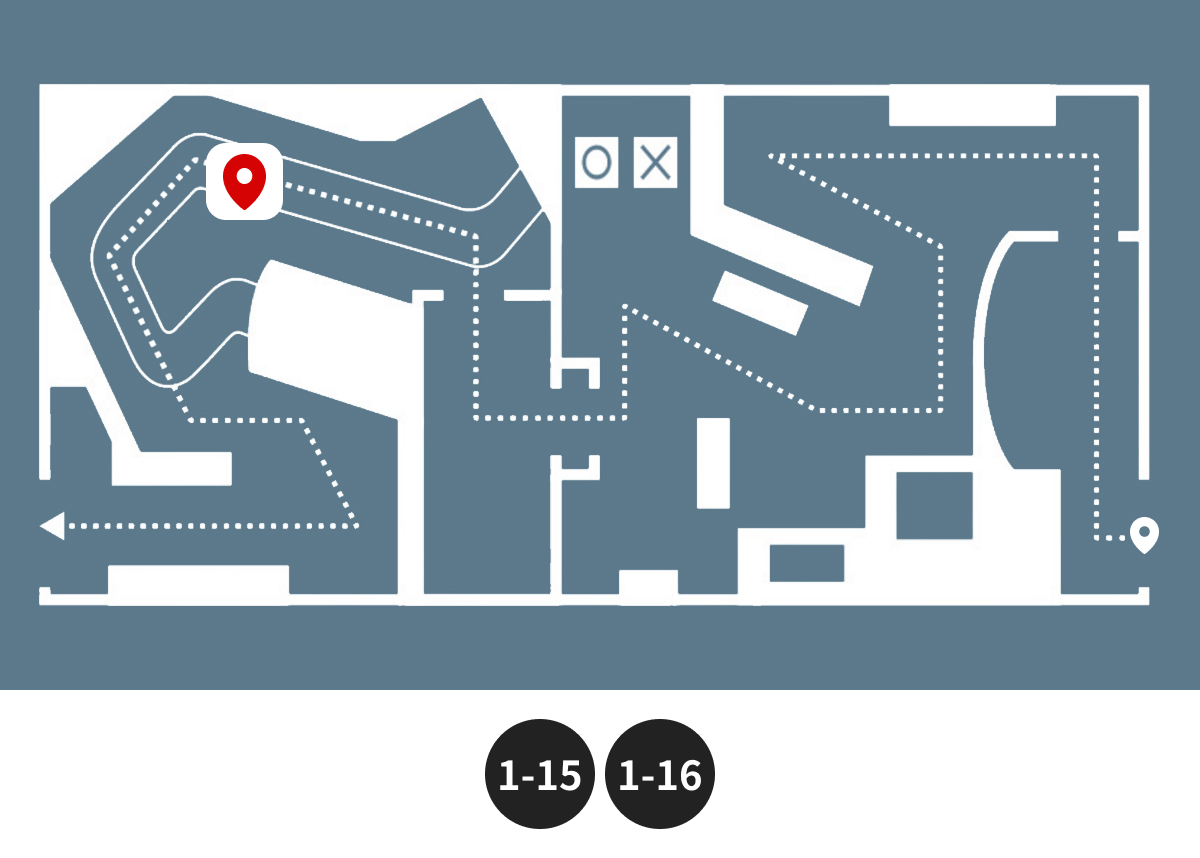
1-15 이인희 학적부 1930년대 School register of Lee In-hui (이인희), National Archives of Korea (History Record Hall)
Lee In-hui (이인희), a fifth-year student at the Second Busan Public Commercial School, participated in the protests, and subsequently was expelled on December 27, 1940.
1-16 중등교육 수신서 권2
Middle School Morals and Ethics Textbook
This is a middle-school–level moral education textbook published by
the Government-General of Korea during the Japanese occupation.
The subject of moral education was one of the central tools used to
cultivate loyal imperial subjects.
Such textbooks began to appear after the Residency-General was
established in 1906. In 1910, all textbooks containing content that
promoted Korean national consciousness were confiscated, and only
those limited to simple ethics and health were exempt from censorship.
Additionally, the Government-General directly compiled and supplied
textbooks in moral education, national language (Japanese), Joseon
language (Korean), classical Chinese, geography, and history, with
the intention of erasing Korean pride and identity.
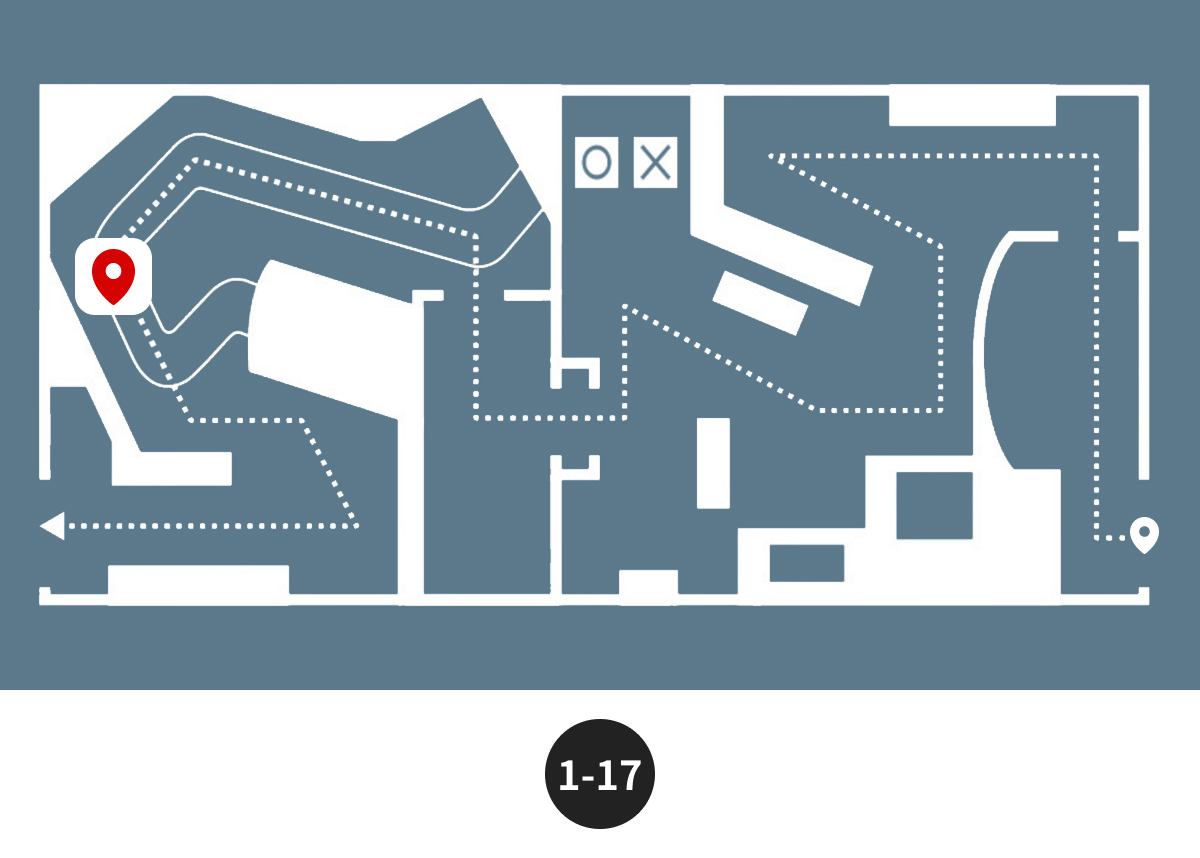
1-17 The Nodai Incident, the Anti-Japanese Student Resistance in Busan
On November 23, 1940, the Second Gyeongnam Student Force
Improvement Defense Games were held at the Busan Public Sports
Field (today’s Gudeok Stadium), with students gathered from Busan,
Masan, Jinju, and other nearby regions.
On November 23, 1940, the Second Gyeongnam Student Force
Improvement Defense Games were held at the Busan Public Sports
Field (today’s Gudeok Stadium), with students gathered from Busan,
Masan, Jinju, and other nearby regions.
During the previous year’s event, Dongnae Middle School (동래중학교),
a Korean school, had clearly won. In the 1940 event, Dongnae Middle
School was again expected to win, but a biased ruling by the judge,
Japanese Army Colonel Nodai (노다이), awarded first place to Busan
Middle School (부산중학교), a Japanese school. Teacher Kim Yeong-geun
(김영근) and the students of Dongnae Middle School protested the
discriminatory ruling. When Nodai dismissed their protest, the students
became enraged.
Students from Dongnae Middle School, the Second Busan Public
Commercial School (now Gaeseong High School), Ipjeong Commercial
School, and Choryang Commercial School left the public sports field,
and started a march through the city, and stormed Nodai’s official
residence. More than 200 students were arrested by police and
military police. Fifteen ringleaders were imprisoned, and others were
disciplined including 21 expelled, 44 suspended, and 10 reprimanded.
One student, Kim Seon-gap (김선갑), died a martyr eight months
after his release due to torture-related injuries. The Nodai Incident
stands as a major student resistance movement carried out under
the wartime regime in the final years of the Japanese occupation.






2-1 Learning Continues in Busan, the Wartime Capital
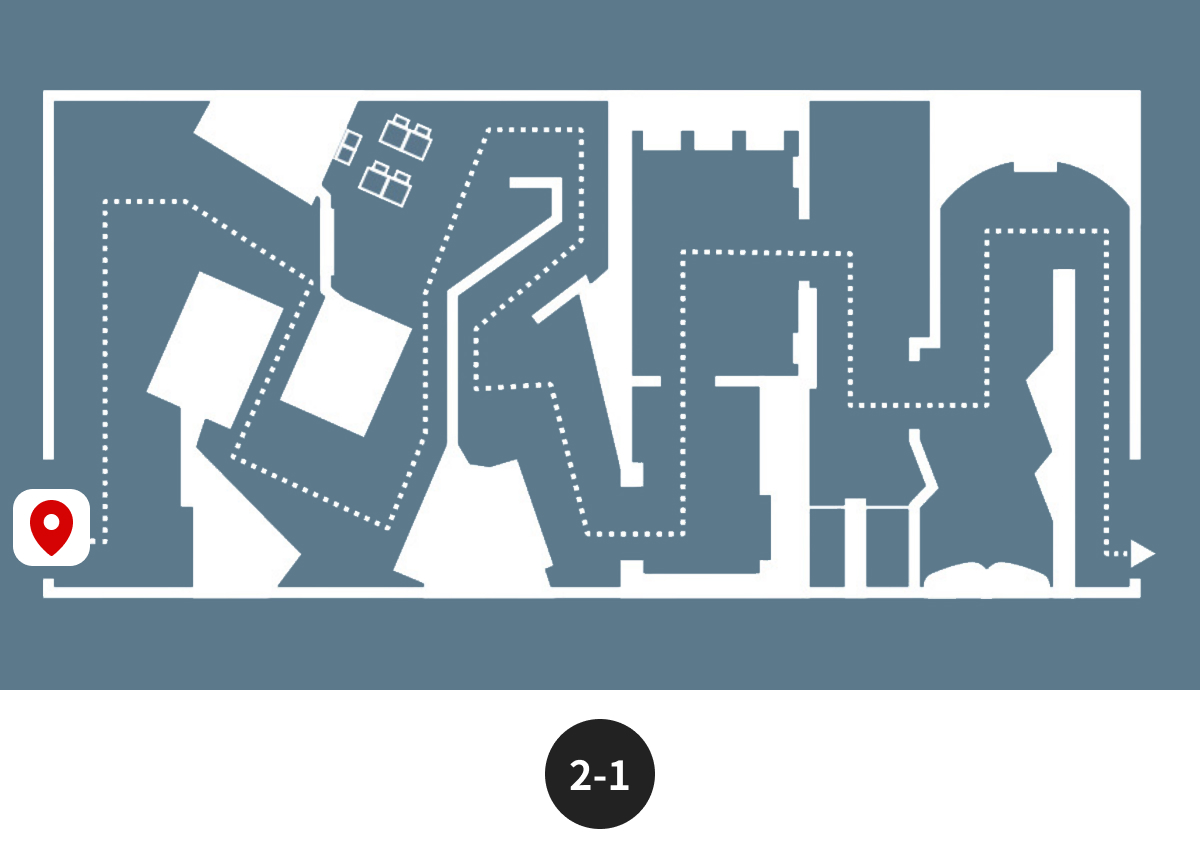
In 1950, just three days after the outbreak of the Korean War, the
capital city of Seoul was captured.
The government designated Daejeon and Daegu as temporary capitals
up to you. However, as the attacks continued, Busan, the final
stronghold, ultimately became the provisional capital.
Busan, where refugees from all across the country gathered, became
the political, economic, and cultural center of the Republic of Korea
for 1,023 days, from August 18, 1950, to July 27, 1953 (excluding the
period during which Seoul was recaptured).
2-2 The Story of Chulsoo(철수), a Refugee
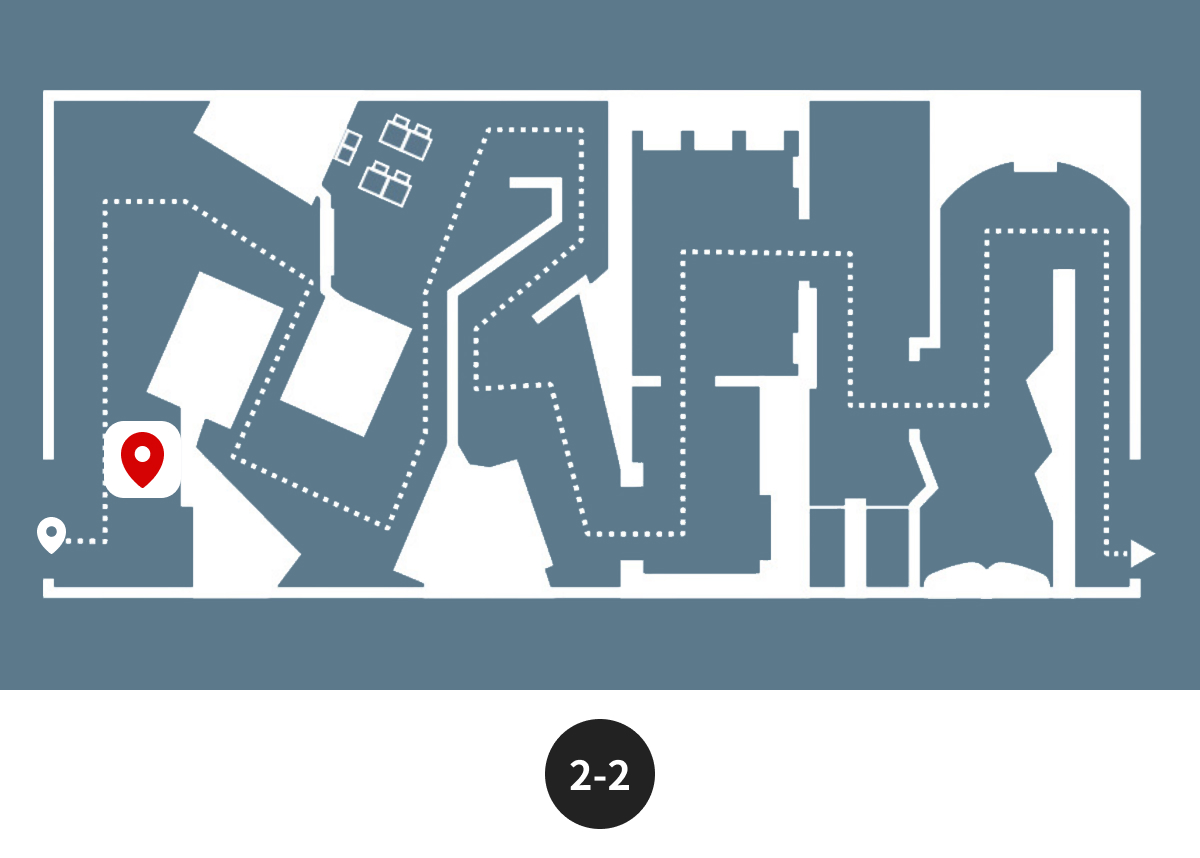
After the outbreak of the Korean War in 1950, Busan was filled with refugees. Even during the difficult period of war, Chulsoo(철수) never let go of his studies. Day by day, he held onto his dream and hope of returning to school. Through his diary, we learn the stories of people who did not lose hope, even amid the hardships of war, [because they held on to learning].
철수의 일기 Chulsoo’s Diary
Friday, March 9, 1951
Rumbling, lightning flashes!
At last, we arrived in Busan. [My] father, mother, sister, baby brother,
and I couldn’t get train tickets, so we walked for two long months
with the stream of evacuees. We clapped whenever army vehicles
passed, but shook with fear whenever explosions erupted or shells fell
nearby. How could one nation and one people turn their guns on each
other? Whenever I cried, [my] father gently patted my head and said,
“There will be hope in Busan.”
2-3 철수의 일기 Chulsoo’s Diary
Wednesday, March 14, 1951
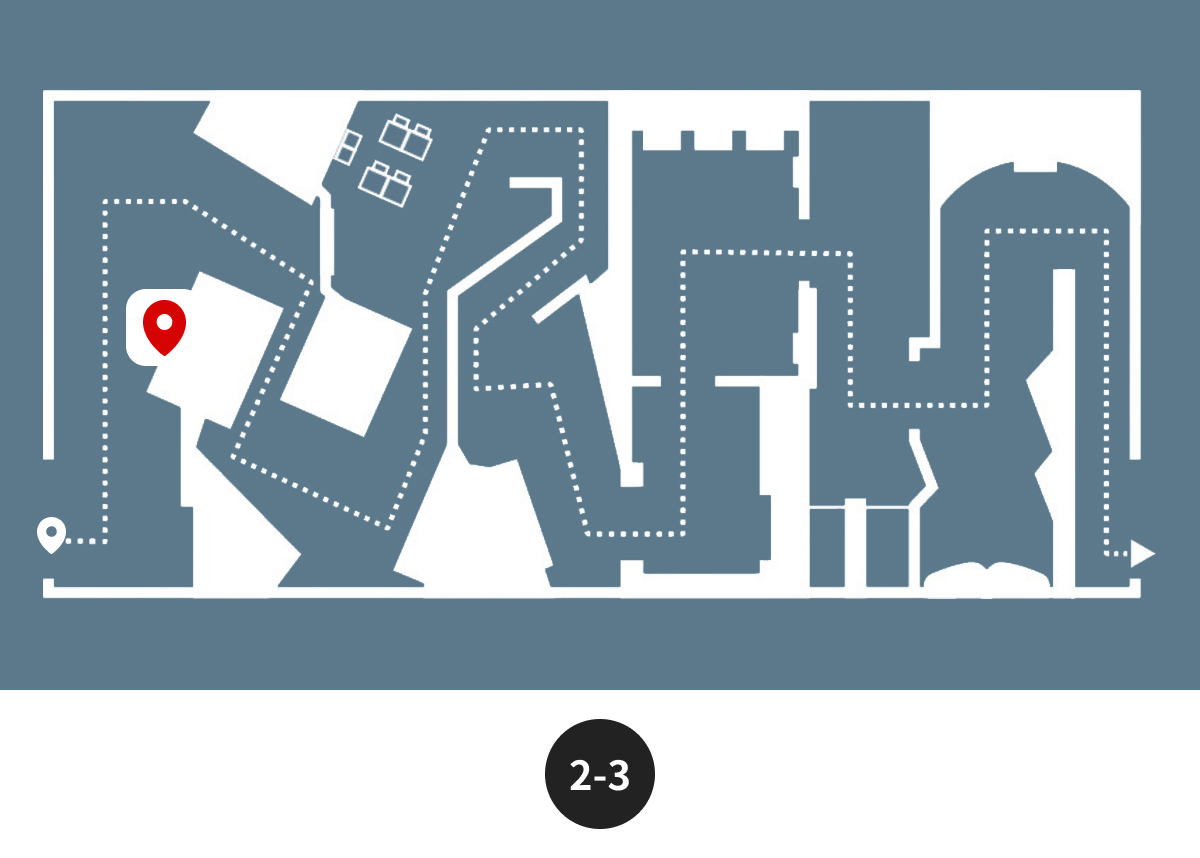
A house of up and down hope
The first place we went after arriving in Busan was the refugee
camp. It was packed like a bean-sprout sieve, and more people kept
coming, so we could hardly find a space to stay. My father decided
we should go halfway up the mountain and build a small shack.
While my father and mother built it, my sister and I gathered boxes
and sacks near the U.S. military base. My legs hurt from climbing
up and down, but I felt happy thinking that we would finally have a
home.
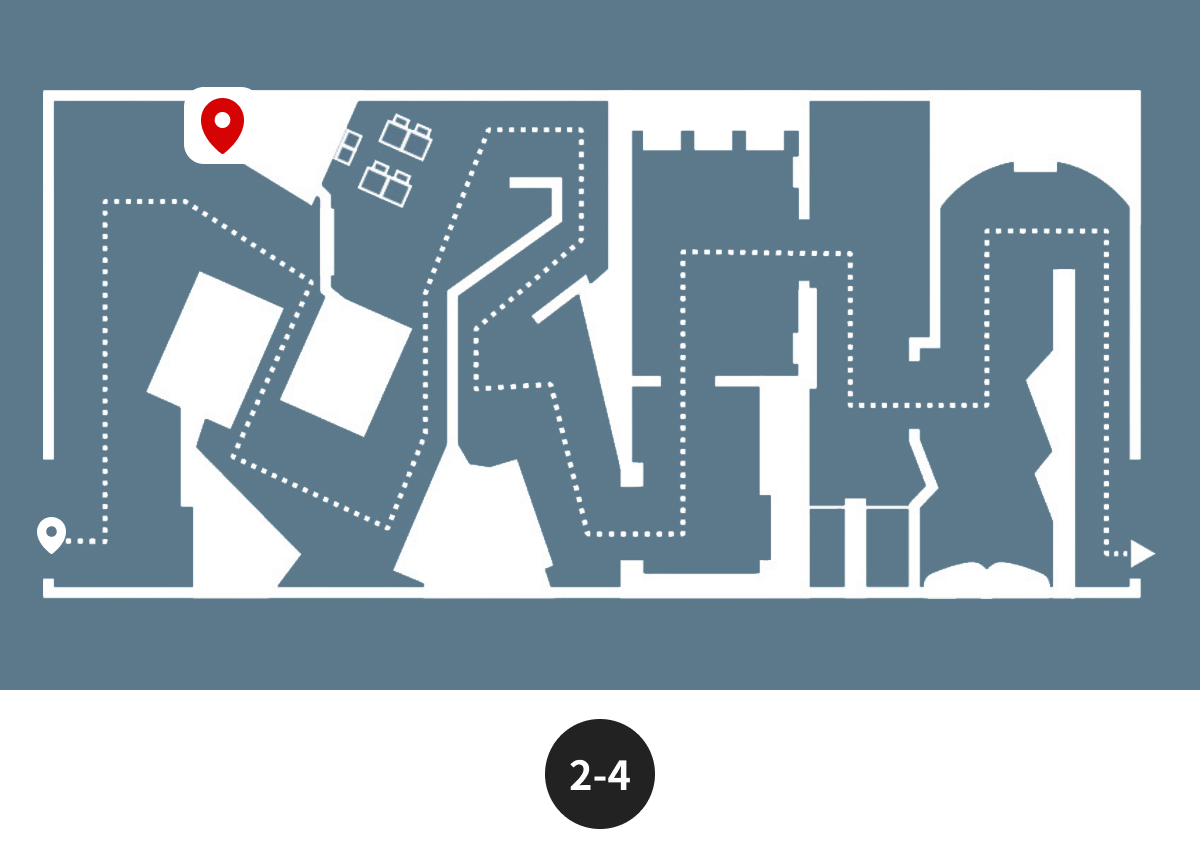
2-4 철수의 일기 Chulsoo’s Diary
Tuesday, October 30, 1951
A star twinkles in the heavy night sky
[My] father works for the U.S. military because he knows a little
English. [My] mother receives supplies from the base and sells them
at the market. I attend tent school, and sister does housework while
looking after [our] younger brother. Once, I nodded off while
studying under the lamp. When [my] father came home late that
night, he told me, “You’re the pillar of this family. You must study
and help rebuild our home.” His words made me feel ashamed. He
added, “If you don’t study hard, you might not even realize when
war breaks out and we have to evacuate. To be the pillar of the
family, you must grow stronger.”
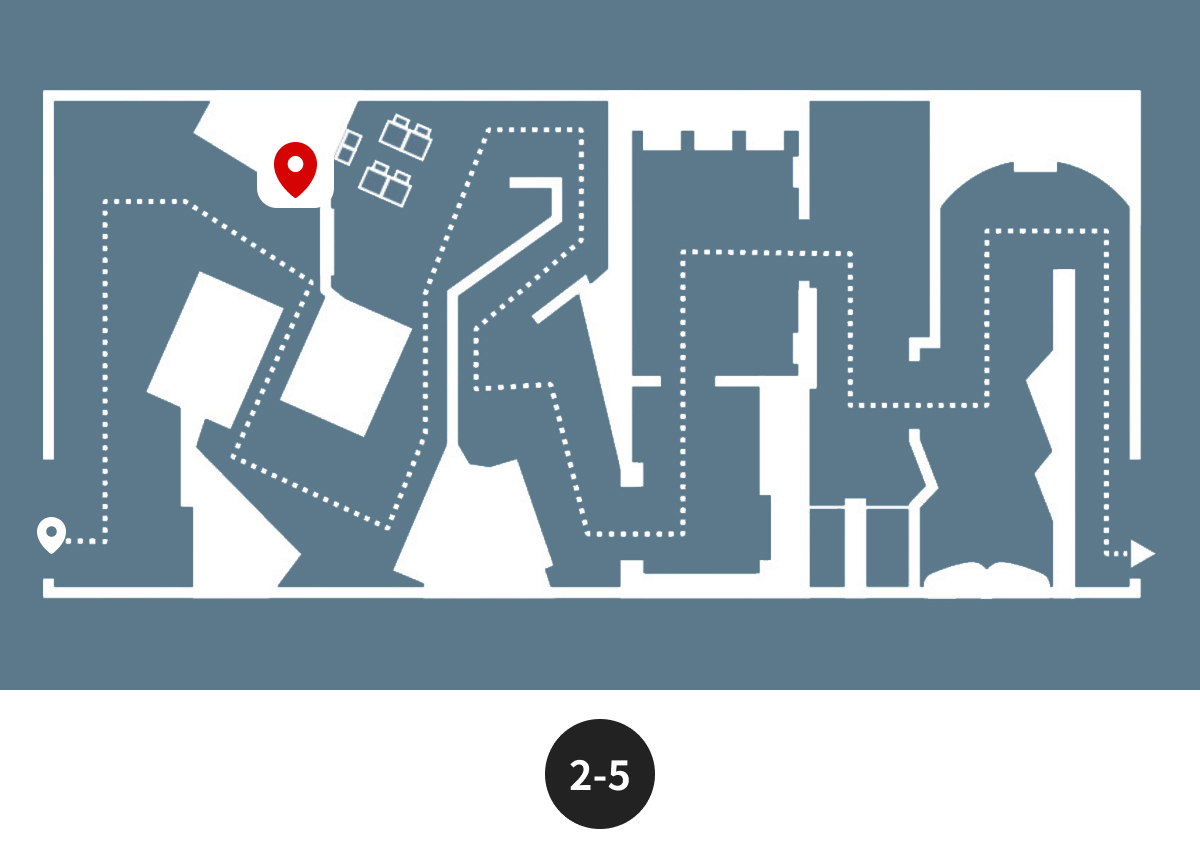
2-5 철수의 일기 Chulsoo’s Diary
Saturday, March 22, 1952
Spring rain falls in the grass
When [my] sister went to school in Seoul, she was a good student.
After we moved to Busan, she couldn’t attend school because she
had to care for [our] brother and help mother. Even so, she never
neglects her studies and reads books on her own. Everyone in our
mountain village praises her for being bright and hard-working. To
me, my smart and kind sister is the most wonderful and admirable
person in the world.
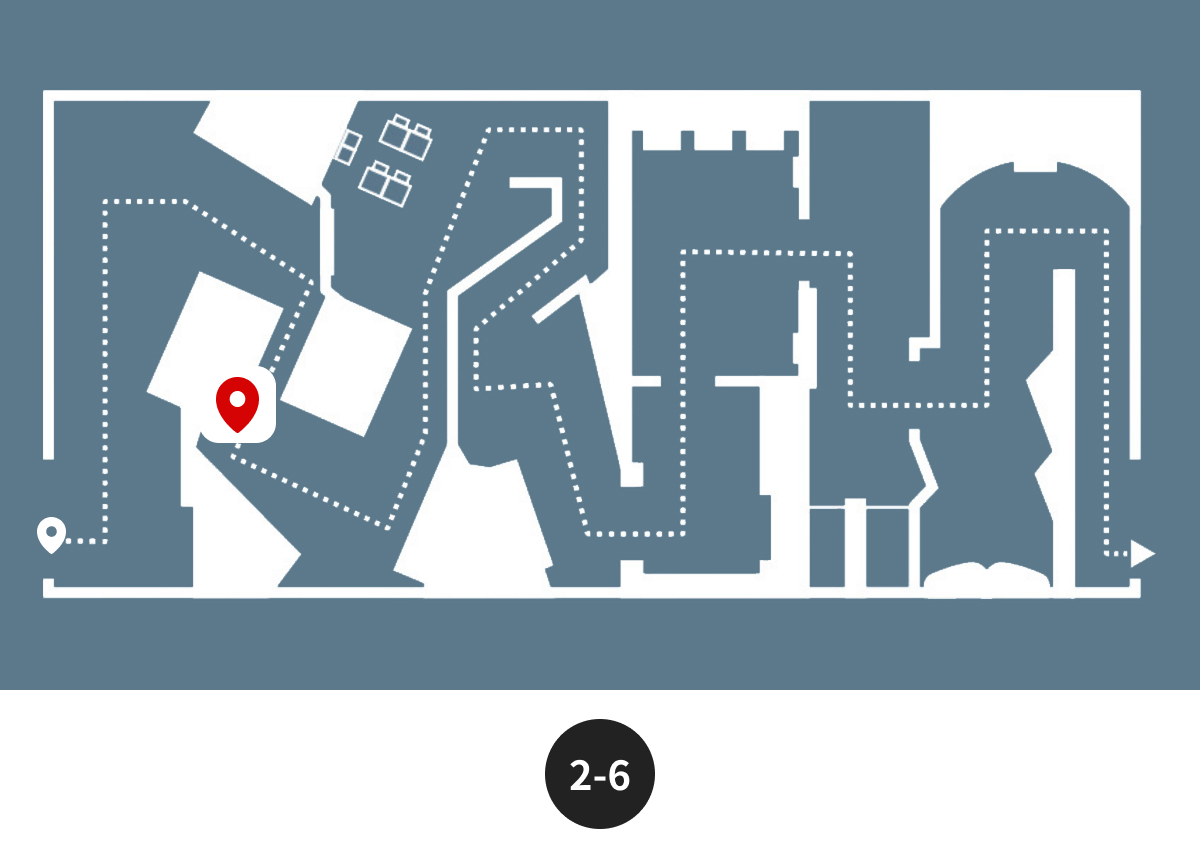
2-6 철수의 일기 Chulsoo’s Diary
Monday, April 23, 1951
The warm moonlight seeps into the house
Sometimes after tent-school class I visit the international market.
[My] mother sets up her stand and sells canned goods, chocolates,
and biscuits. Today, on my way home after stopping by to see her, I
heard a strong voice nearby - a college student teaching English
lessons. When I review what I learn in tent school alone at home,
there are often things I don’t understand. I thought that if I had a
tutor, I could study much better.
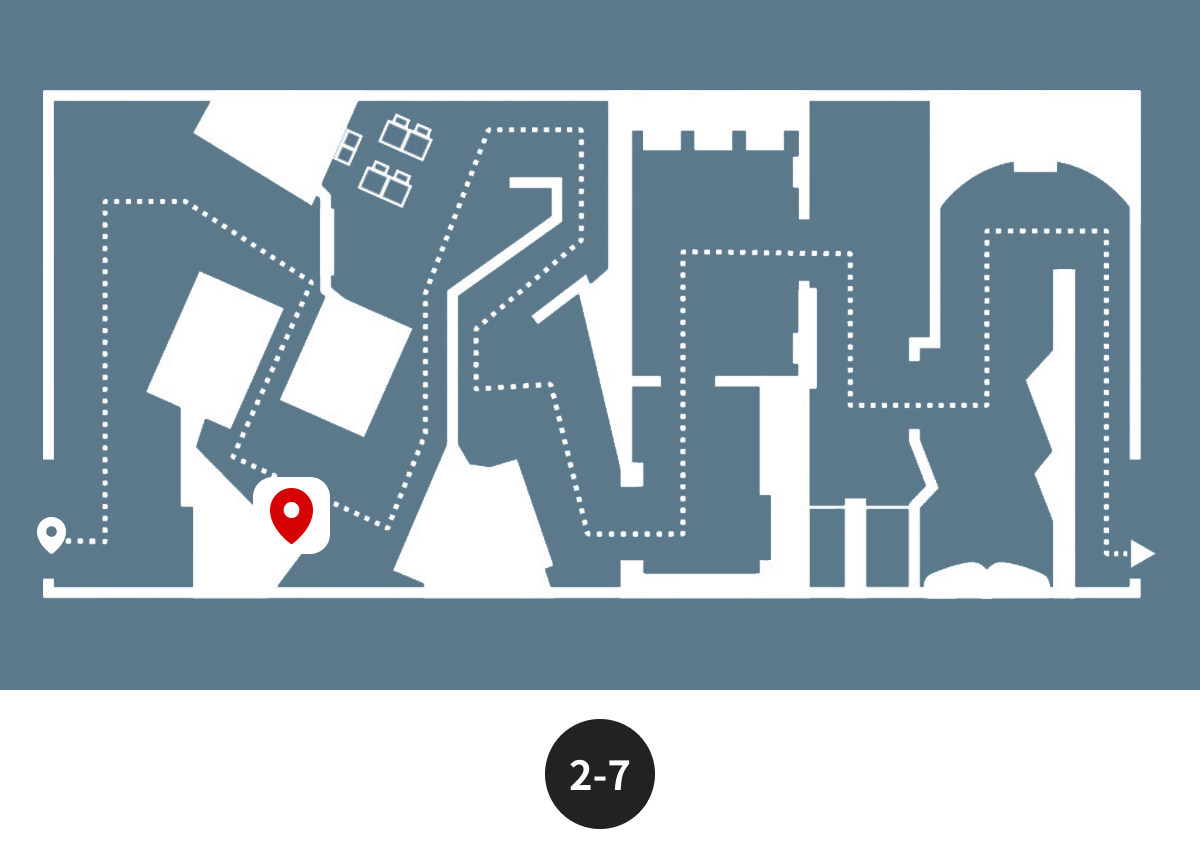
2-7 철수의 일기 Chulsoo’s Diary
Wednesday, May 7, 1952
The quiet rustle of the night when everyone is asleep
Our shack in Busan doesn’t have its own bathroom, so we use the
communal toilet in the village. Last night, after studying late, I grew
sleepy and went there to wake myself up. The world was dark, but a
faint light spilled out from the bathroom. I could hear someone
reciting English words - it was Jung-hoon, our neighbor. He studies
so hard that he even uses his bathroom time to study! Watching him
made me think that if I also studied that hard, [Jung-hoon] brother’s
dream of becoming president might really come true.
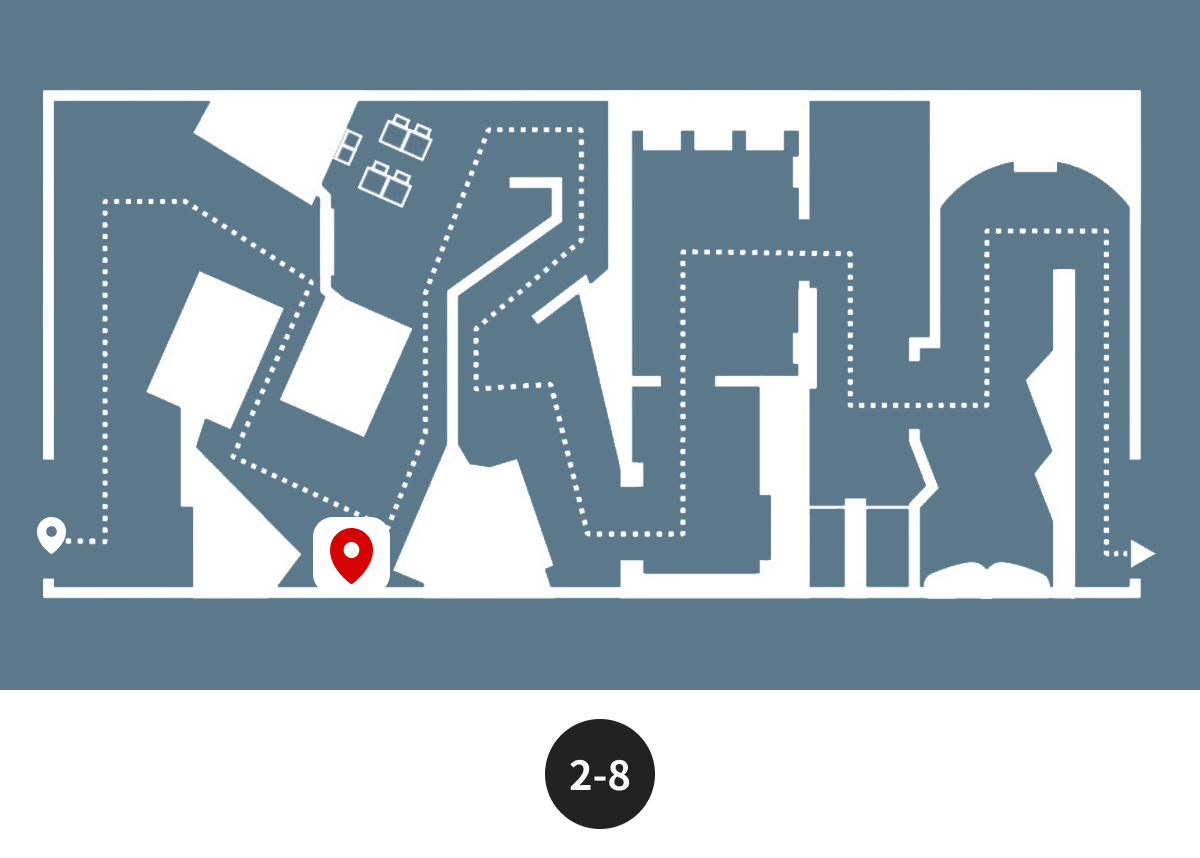
2-8 철수의 일기 Chulsoo’s Diary
Friday, May 30, 1952
If money could fall from the sky
On the way home from tent school, there’s a communal well where
the neighborhood ladies gather. They talk about things like, “That
college student teaches really well,” or “We have to pay this much
for lessons again.” While fetching water with sister, mother
sighed as she listened to them. Seeing her made my heart ache and
sink. Thinking of how hard father and mother work, I promised
myself I would study even harder.
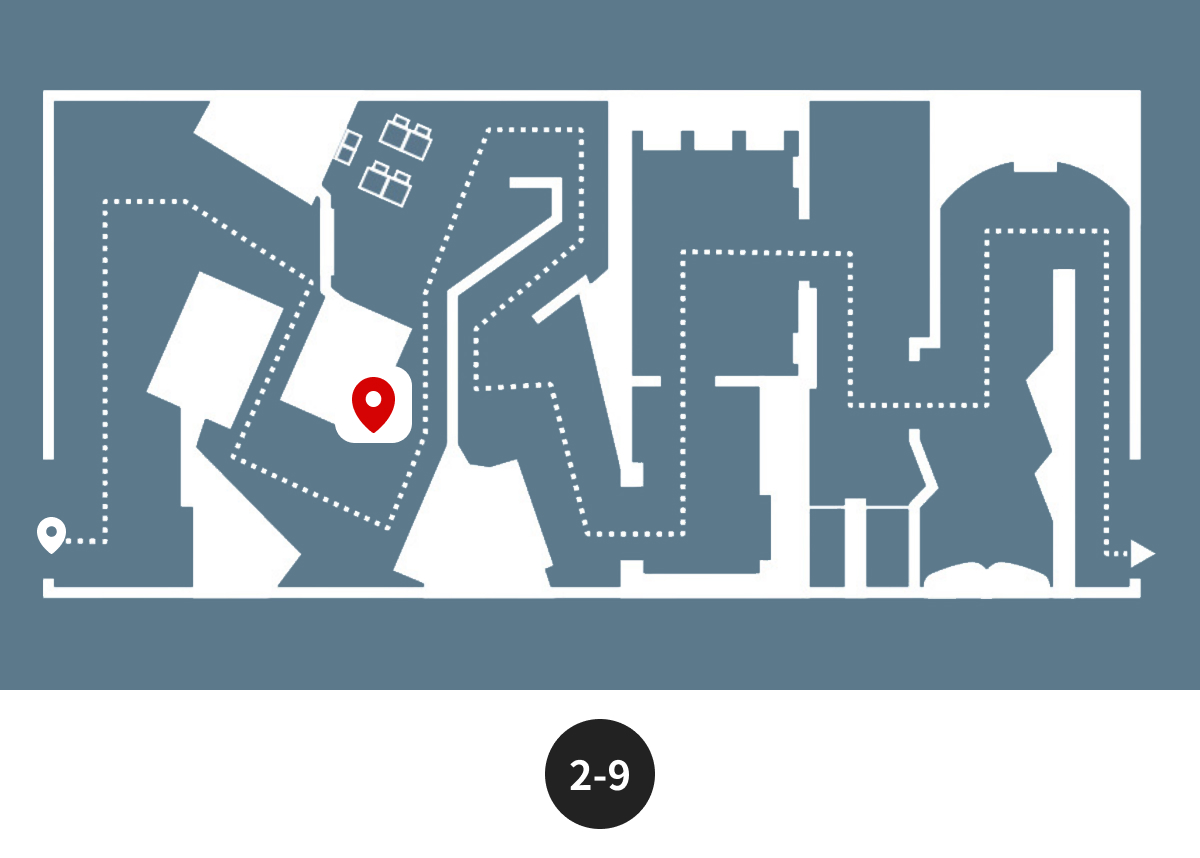
2-9 철수의 일기 Chulsoo’s Diary
Thursday, July 10, 1952
My heart pounds with excitement
Since last week, a college student has been coming to Jung-hoon’s
house. He’s on vacation and visits our hillside neighborhood to help
everyone study. Because of him, our whole neighborhood has come
alive-filled with the sound of children reciting multiplication tables in
the morning and the soft scratching of pencils from older brothers
and sisters studying in the afternoon.
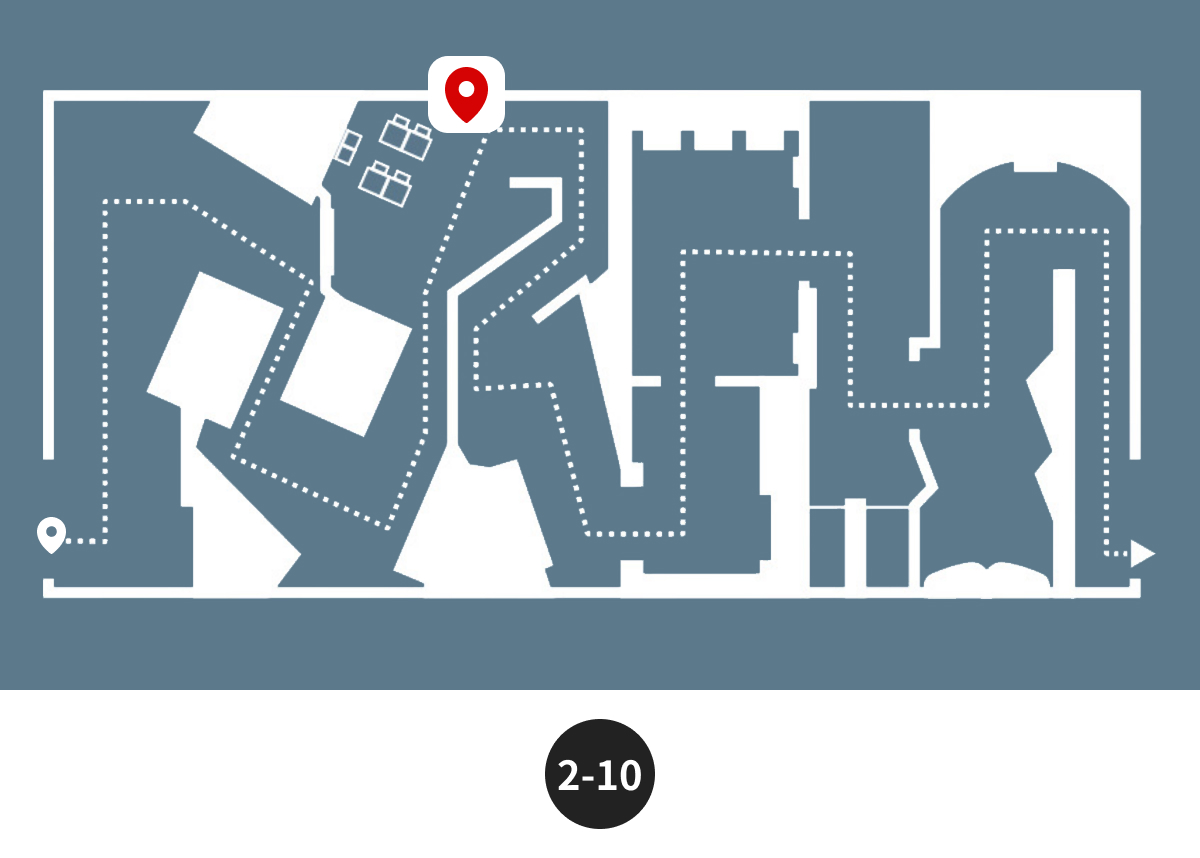
2-10 철수의 일기 Chulsoo’s Diary
Wednesday, September 3, 1952
The warmest day is when everyone’s hearts come together
The friends I met at the refugee school came from all over - North
Korea, Chungcheong, Gyeongsang, and Jeolla. We often struggled to
understand one another’s dialects, so the teacher grouped students
by region. As more children arrived, some couldn’t fit inside the
classrooms, so local adults helped build a new school. The children
and older sisters [older female neighborhood kids] dug stones, the
older brothers [older male neighborhood children] built huts, and the
teachers and villagers even brought military tents from the U.S.
army base. Now, we’re learning reading and math in the school that
we built with our own hands, and someday, we’ll study history and
foreign languages too.
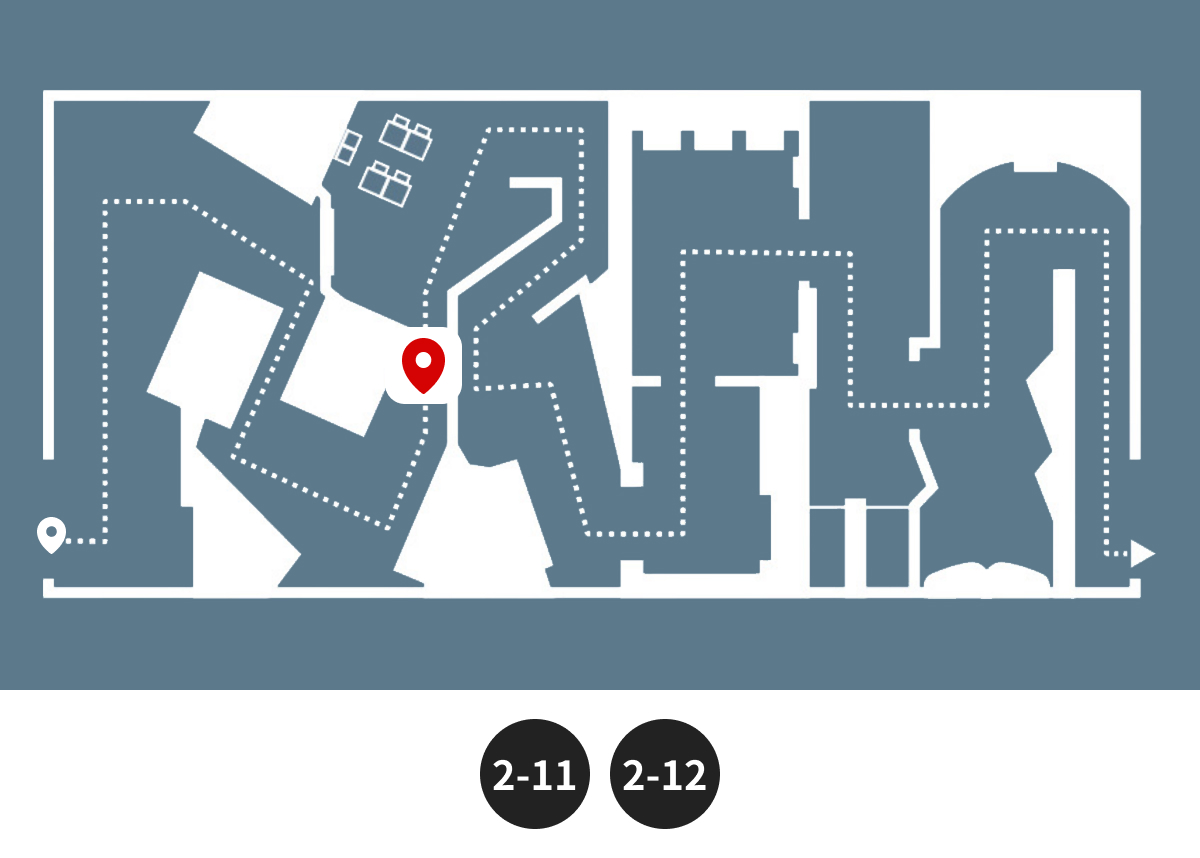
2-11 전시학생증 1953년 Wartime Student ID 1953, donated by Cho Seok-jong (조석종)
This is the front and back of a wartime student ID card issued in
April 1953 to a student in the architecture department of Gwangseong
Technical High School (today’s Gyeongseong Electronics High School).
The wartime student ID card was a special form of identification issued
during the Korean War and reveals the difficult circumstances of the
period.
It certified that the holder was a student, allowing him to continue
studying without being conscripted. It was also required when police
or soldiers checked identification. This was especially important in
Busan, the provisional capital, where many students had fled from
regions across the country. The card is a historical artifact that
demonstrates the determination to continue education even amid the
hardships of war.
2-12 4285년도 전시 국가 시험준비 표준수련장 1951년
Standard Workbook
This is a workbook for middle school entrance examination preparation,
compiled by the Workbook Compilation Committee. At the time, each
school’s principal administered its entrance examination, which led to
widespread admission irregularities.
This workbook for preparing the middle school entrance examination
was compiled by the Workbook Compilation Committee. At the time,
each school principal was responsible for administering that school’s
entrance examination, which led to widespread admission irregularities.
As a result, beginning in 1951, a national middle school entrance
examination administered by the government was implemented for
three years. To prepare for this exam, workbook-style study books
began to appear. These workbooks followed formats commonly used
in the United States, which oversaw Korean education during the
Korean War.
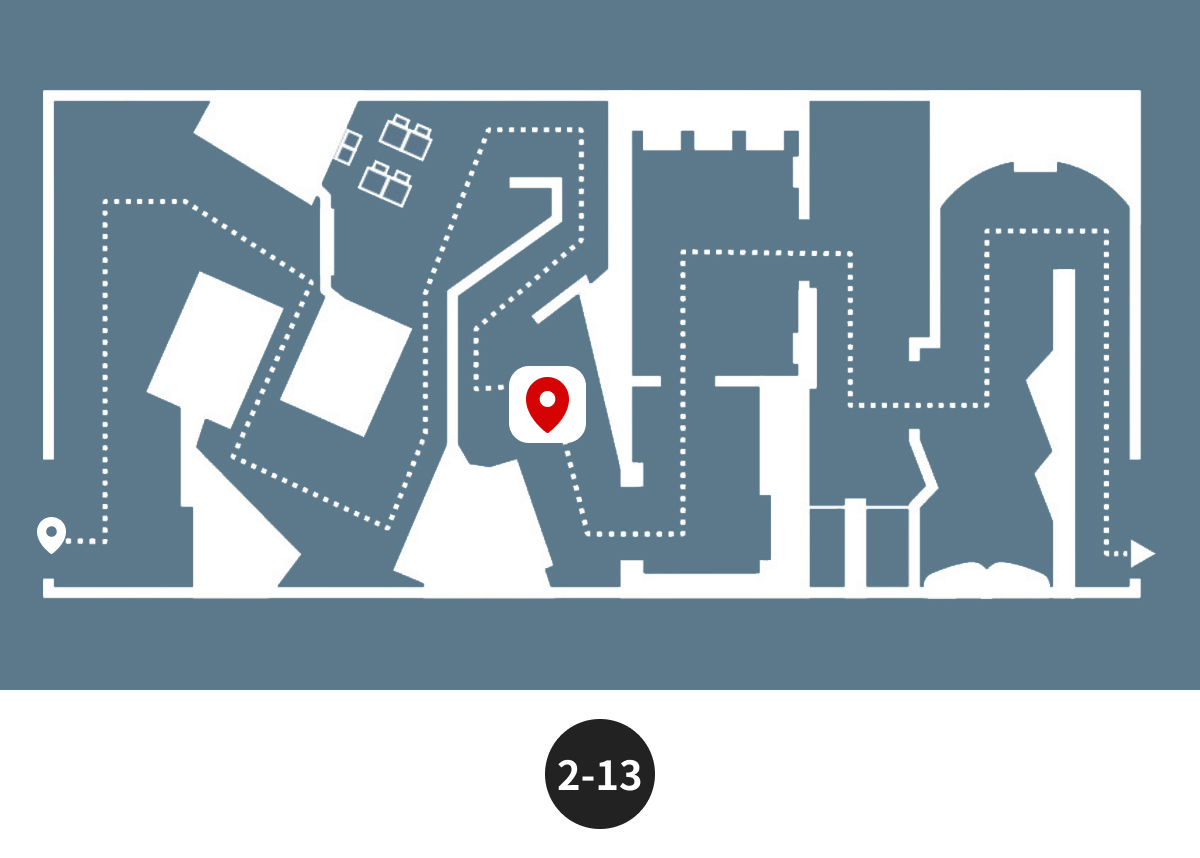
2-13 Soejeon Hospital, a School-Turned Hospital
During the Korean War, schools in Busan were transformed/adapted
to meet the needs of the time/times.
They served as hospitals, military facilities, and shelters for refugees.
Classrooms became wards for the wounded, playgrounds turned into
temporary residential areas for refugees, and the places where students
learned became life-saving spaces in the midst of the war. Among
these facilities, Soejeon Hospital (Swedish Red Cross Hospital), the first
Western-style hospital in Busan, was built on the site of the former
Busan Commercial High School.
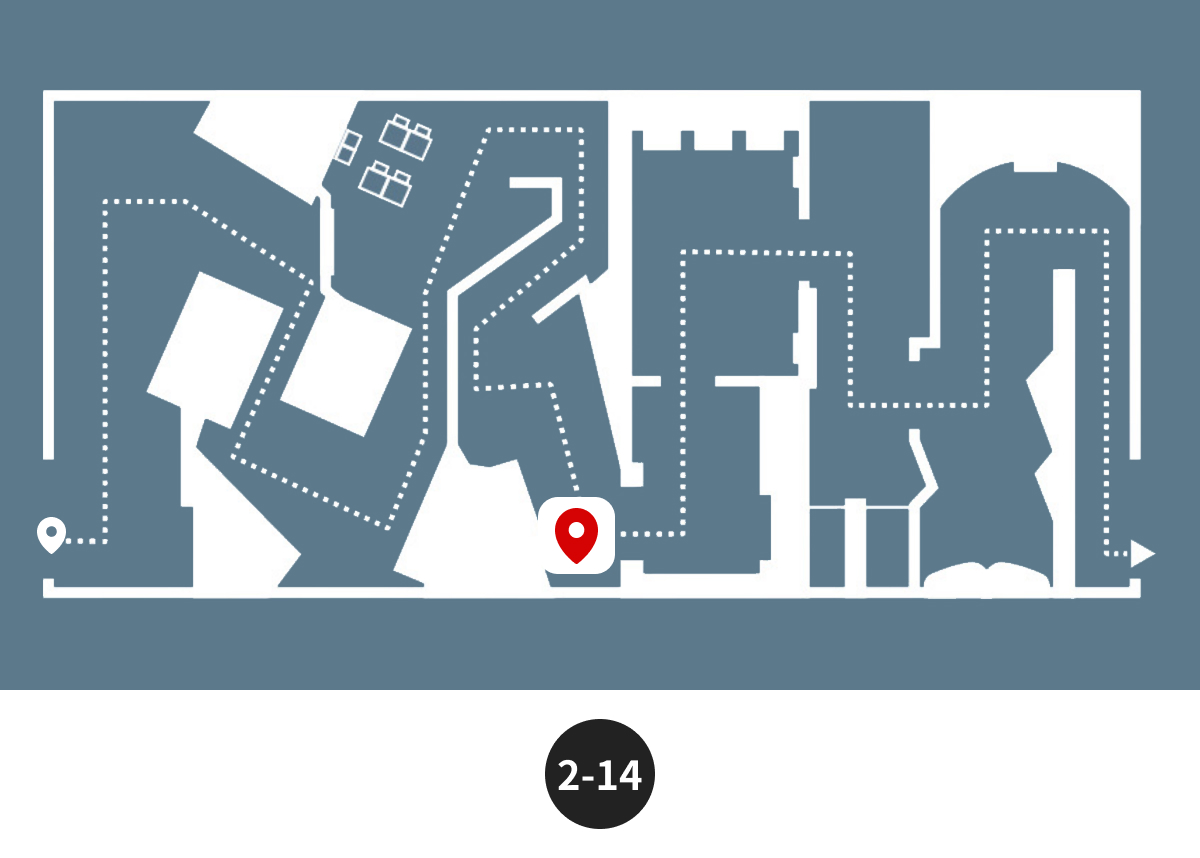
2-14 철수의 일기 Chulsoo’s Diary
Wednesday, October 15, 1952
Countless stars have settled and shine
I became friends with a boy who shines shoes around the stalls at
the international market. He told me he lost his patents while fleeing
to Busan during the war, and that he learned to shine shoes, after
vowing to live like his always-diligent parents. He kept a book in his
shoe-shine box and studied whenever he could. Seeing him like that
was truly admirable. Although our country is going through a war
now, the war has not taken away our hope. I think that if he and I
don’t give up and keep doing our best for a brighter future, we can
become hope for the Republic of Korea.
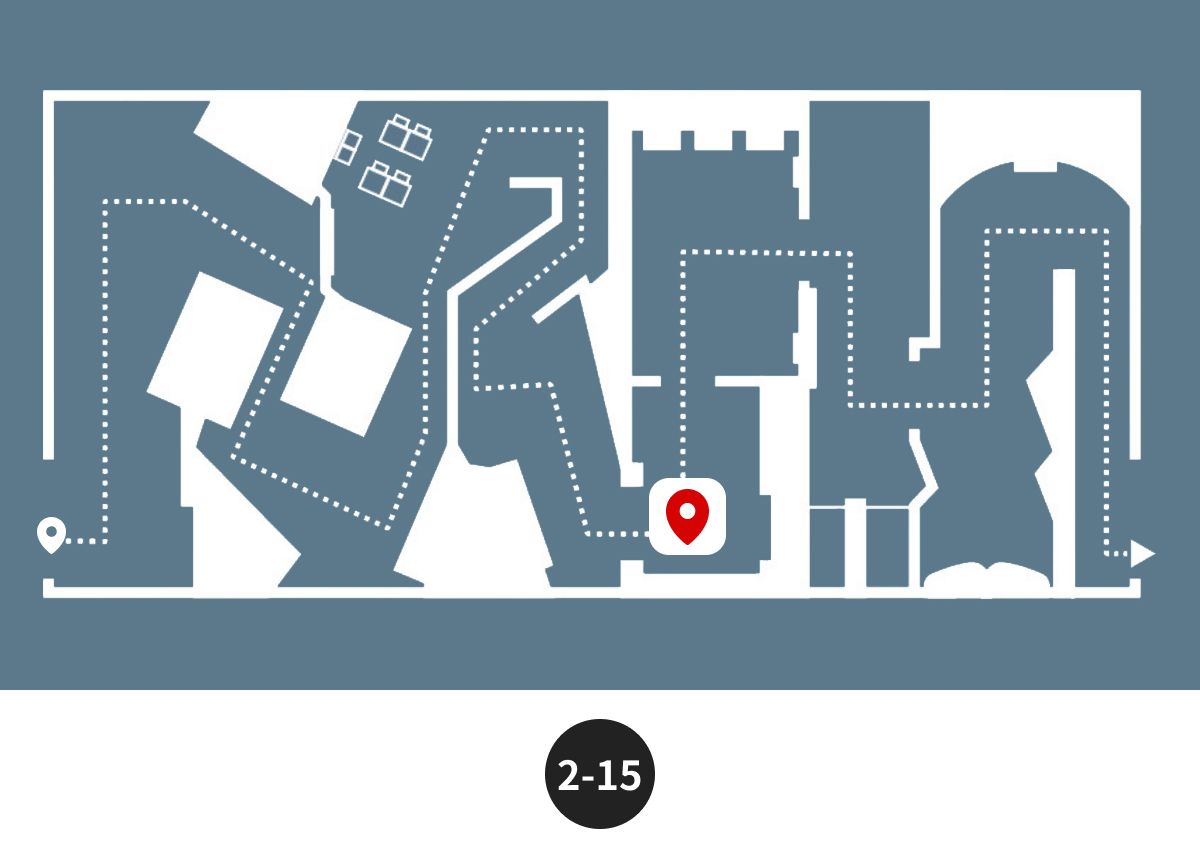
2-15 Student Democratization Movement in Busan
In Busan in the 1960s, high school students led a series of large and
small protests against fraudulent elections and authoritarian rule.
With most of the high school students in Busan participating, the
demonstrations developed into coordinated, citywide actions, and in
some cases middle school students also took part.
As university students and ordinary citizens joined the protests, they
gradually grew into a broader civic uprising. This collective resistance
ultimately led to the resignation of President Syngman Rhee (이승만),
safeguarding Korean democracy through the power of civic action.
However, many people were injured or lost their lives in the process.
In Busan, in particular, a student protester named Kang Su-yeong
(강수영) was shot and killed. The spirit of the student democratization
movement in Busan later continued in the Buma Democratic Uprising
and the June Democratic Uprising.
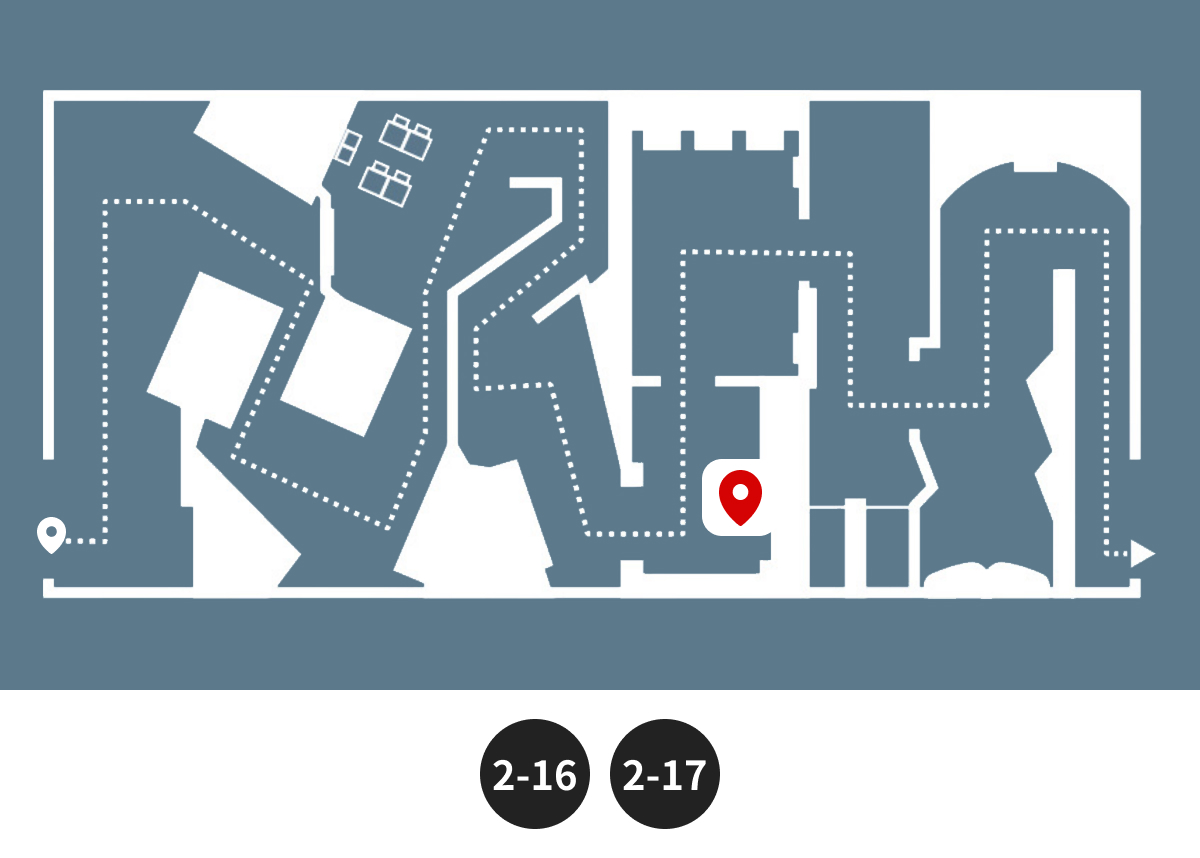
2-16 반공독본 1954년 Anti-Communist Reader 1954
In July 1953, with the signing of the Korean War Armistice Agreement,
Korea was divided into North and South along the 38th parallel. The
government then made the unification of the people’s ideology a key
task, and materials for ideological education, such as the
Anti-Communist Reader, were produced.
In the wake of division and war, anti-communist education was
introduced in schools to protect the nation and secure peace. Classes
used stories and illustrations to make the educational content easier for
elementary school students to understand
2-17 Military training (교련, gyoryeon) was a form of military drill
conducted for high school and university students. It emphasized the importance
of national security and aimed to develop the knowledge and skills
needed to protect students’ safety in the face of disasters and national
threats.
This type of education existed before the liberation of Korea, but it
became more active after the Korean War and was introduced as a
compulsory subject in vocational high schools under the Second
National Curriculum. It continued until 1993, when it was abolished
as a required subject.
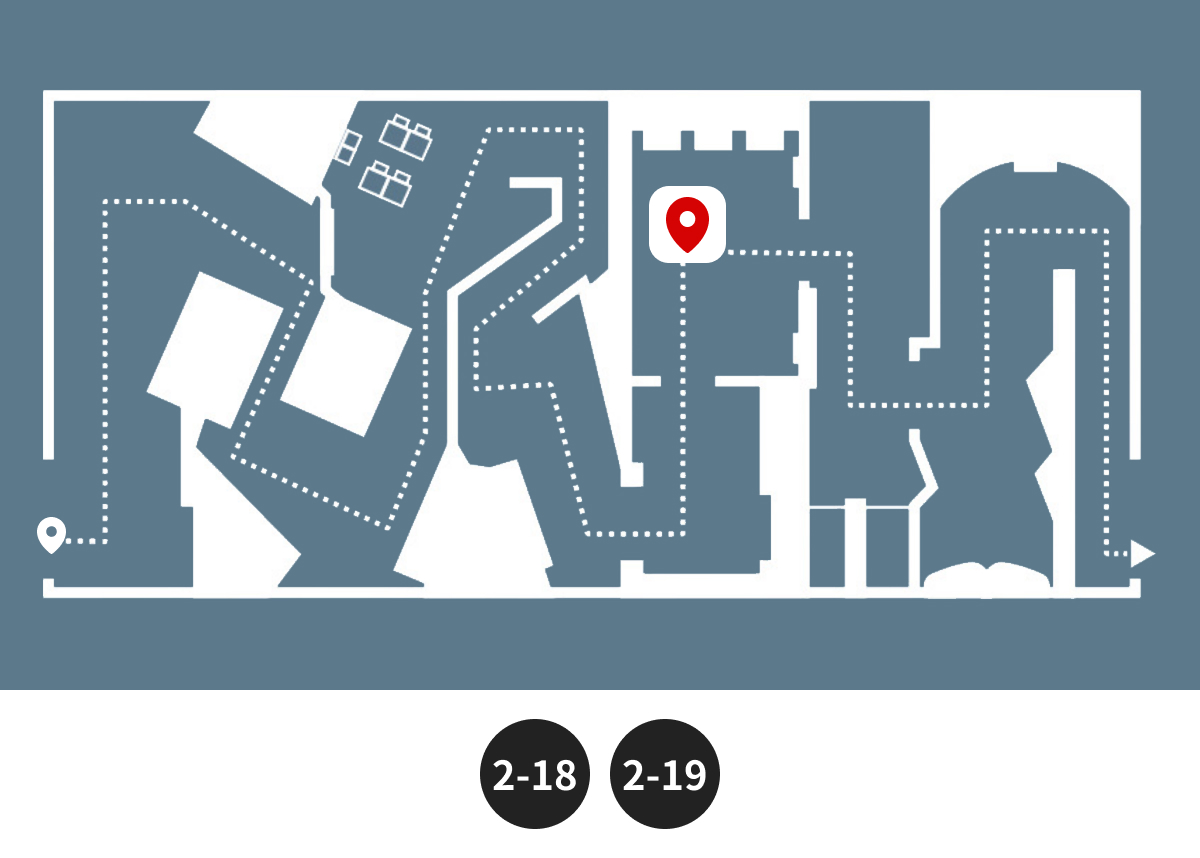
2-18 Industrialization and Education in Busan
From the 1960s onward, Busan developed into an industrial city and a major hub connecting the light industrial zones and the heavy chemical industrial zones along the southern and eastern coasts. As industrialization progressed, vocational education to support economic development was increasingly emphasized. As a result, the number of vocational and technical high schools grew, and technical education came to play an even more important role
2-19 Education Autonomy in Busan
Since the launch of local autonomy in 1990, the Busan Metropolitan Office of Education has created curricula and textbooks tailored to the city’s distinct character. By weaving Busan’s culture and identity into lessons, the city provides education that enhances students’ learning and strengthens their sense of connection to their region
2-20 Busan’s Regionalized Textbooks & the Evolution of Busan Education
Busan’s regionalized textbooks began with ‘Life in Busan,’ a fourth-grade social studies book, introducing students to their city. ‘Rediscovering Busan,’ now used in middle schools, explores local characteristics and potential to inspire future growth. Additional publications, ‘A.I., Tell Me About Busan’ and ‘Environment and Future of Busan’ expand learning to include artificial intelligence, regional culture, and social challenges. The Busan Metropolitan Office of Education also promotes learner-centered classrooms through cutting-edge edutech tools such as AI, AR, VR, the metaverse, and digital textbooks, while supporting digital experience programs and student clubs that help cultivate the skills needed for the future.
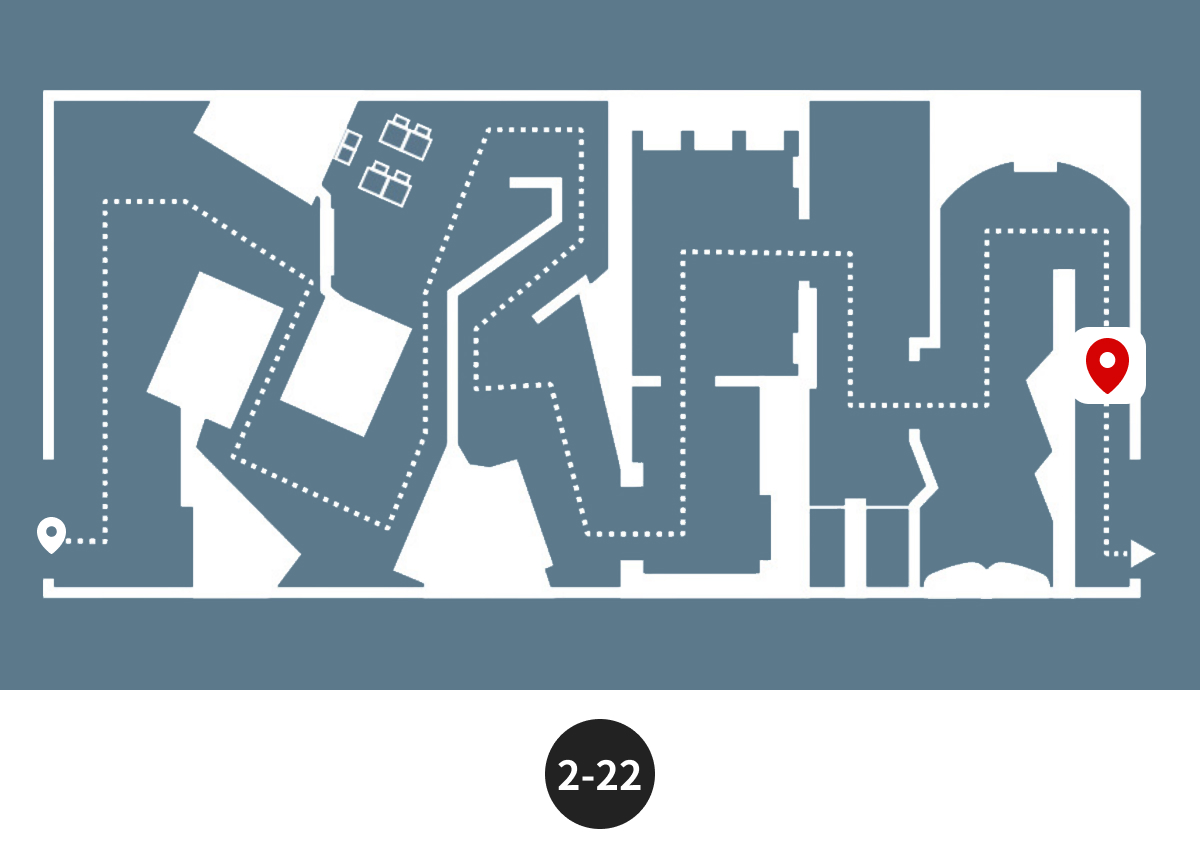
2-21 표준화 국어읽기 음반 1960-70년대로 추정, 3M교육자료사 Standardized Korean Language Reading Record 1960s-70s, 3M Educational Materials [training and safety materials]
This audio-visual teaching material was produced to help first-grade students in national citizens’ schools systematically develop their reading skills by listening and reading along. The first track introduces what students will learn through the textbook.


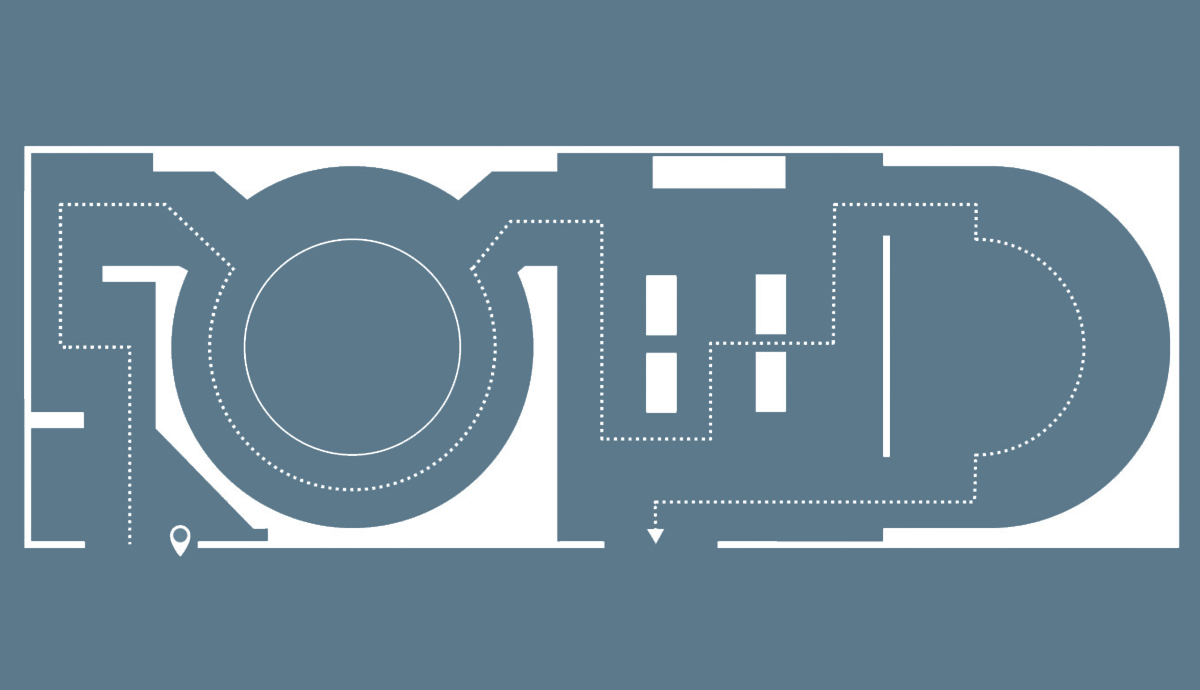
Are you learning?
This space delves into the essence and value of learning through immersive videos that combine realistic images and interactive shadow effects, offering a fresh perspective on what it means to learn. In Permanent Exhibition Room 1 and 2, you can witness the ever-changing nature of education as it adapts to the flow of history and the ever-changing environment. In contrast, Permanent Exhibition Room 3 offers a glimpse into the timeless essence of education, unaffected by the passage of time or environmental changes.